our blog

The Biggest AI Opportunity Might Not Be Where You Think
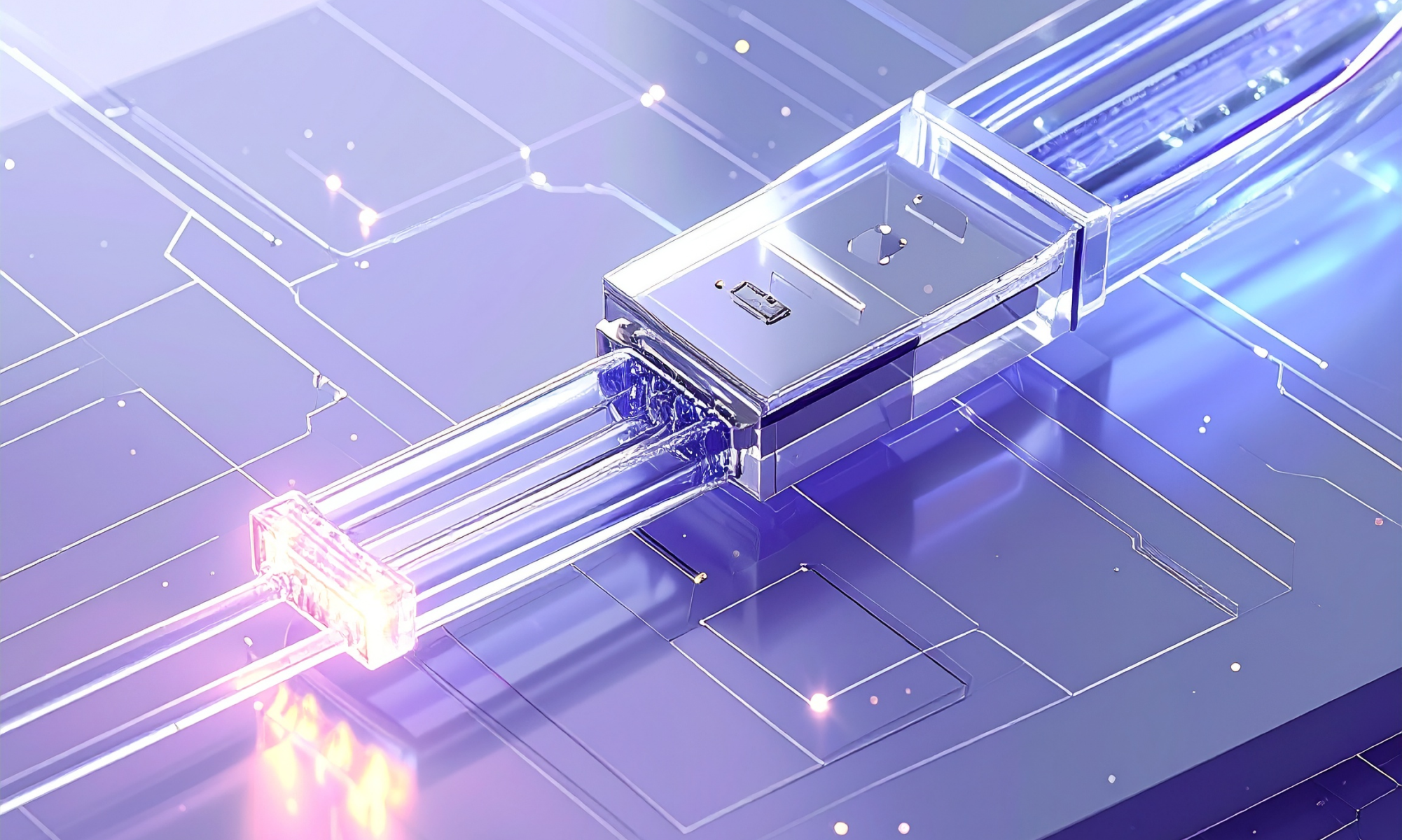
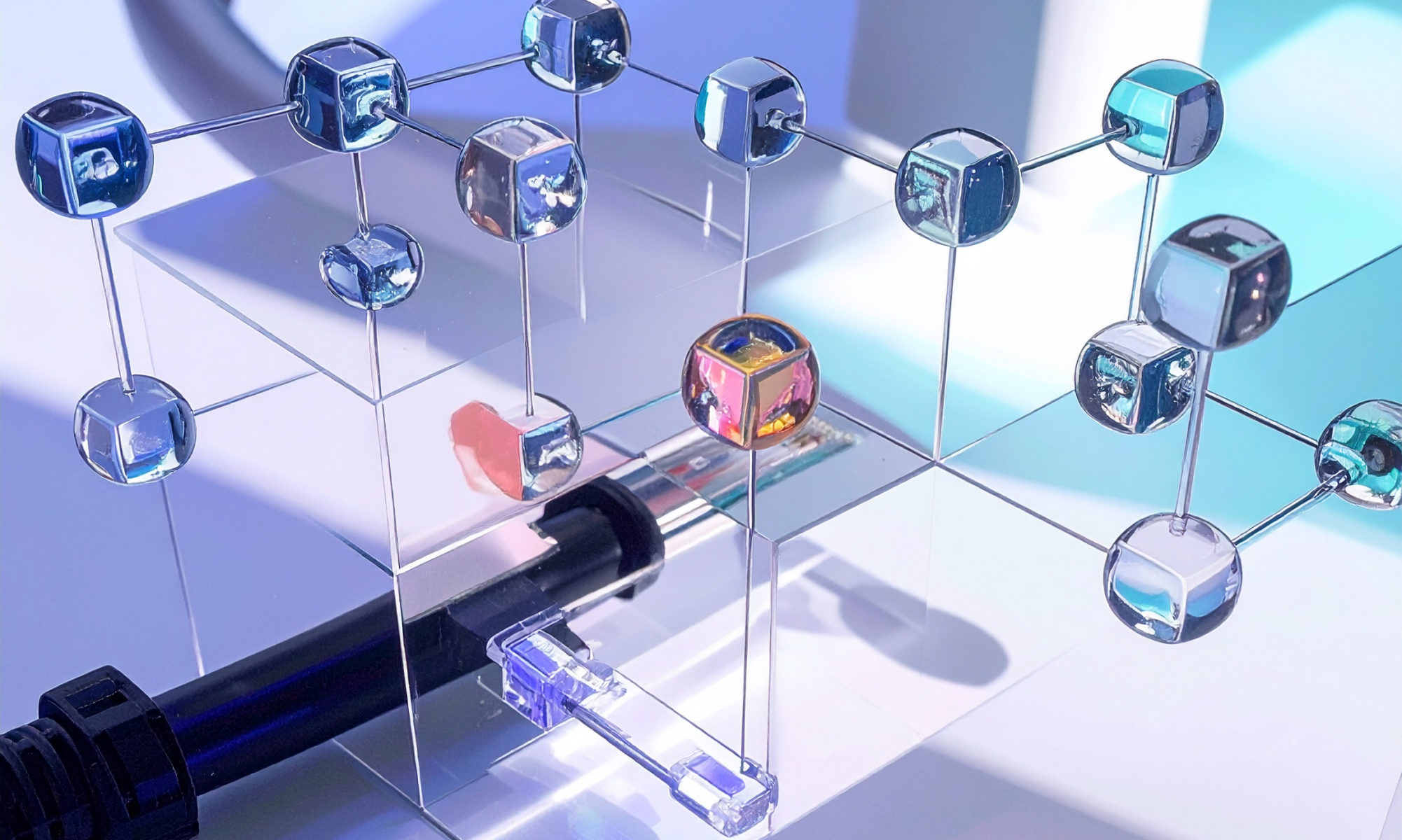
Team exploring AI opportunities by rethinking digital products, services and workflows around emerging technology

Most organisations start their AI journey by looking at what already exists. Where are teams spending too much time? Which processes could be improved? Where could AI remove friction? These are useful questions, and they can uncover valuable opportunities, but they often focus on improving what already exists rather than rethinking what could be possible.

The bigger opportunities come from asking a different question: if this organisation was built today with AI available from the start, what would work differently? That shift changes the conversation from simply adding AI to existing processes towards reimagining products, services and ways of working around what technology now makes possible.

There is a difference between using AI to optimise an existing workflow and using it to rethink the experience entirely. Making an existing process faster can deliver clear benefits, but it is often limited by decisions, systems and assumptions that were made before AI was part of the equation. The biggest opportunities often come from challenging those assumptions and exploring what could be designed differently.

That does not mean throwing away everything that already exists. Organisations have years of knowledge, customer insight and operational experience that remain valuable. The challenge is understanding where AI can improve what is already working, where it can create something new and where existing approaches should be reconsidered altogether.

This is where AI product strategy becomes important. The hardest decision is often not which technology to use, but where to focus first. Models will continue to improve, tools will change and new capabilities will emerge, but the organisations that create the most value will be the ones that identify the right opportunities before investing time and resources into building.

Some of the biggest AI opportunities will come from rethinking products themselves. Rather than simply adding AI features to existing experiences, organisations can consider how products could work differently if AI was part of the design from the beginning - creating more adaptive, intuitive and useful experiences for users.

At Studio Graphene, we help organisations identify where AI can create meaningful impact across products, services and operations. By combining strategy, design and engineering from the outset, we help teams move beyond adding AI to existing ways of working and start building around what AI makes possible.
spread the word, spread the word, spread the word, spread the word,
Team exploring AI opportunities by rethinking digital products, services and workflows around emerging technology
AI

The Biggest AI Opportunity Might Not Be Where You Think

Product team defining an AI product by focusing on user needs, workflows and problem solving rather than model selection.
AI

Why the Best AI Products Don’t Start With AI

AI product development workflow showing a demo transitioning into production systems with monitoring, data and feedback loops.
AI

Why “Production-Ready” AI Means More Than “It Works”

Abstract illustration showing AI product development workflows, with evolving digital product stages, iterative build cycles and real-time user feedback loops replacing traditional prototype-based development approaches
AI

Why The First AI Product Doesn’t Have To Be A Prototype

Abstract illustration showing AI-native product design, with interconnected systems, automation flows and decision points highlighting how design influences both user experience and product behaviour from the outset
AI

In AI-Native Products, Design Becomes a Product Decision

The Biggest AI Opportunity Might Not Be Where You Think

Team exploring AI opportunities by rethinking digital products, services and workflows around emerging technology
AI

The Biggest AI Opportunity Might Not Be Where You Think

Why the Best AI Products Don’t Start With AI

Product team defining an AI product by focusing on user needs, workflows and problem solving rather than model selection.
AI

Why the Best AI Products Don’t Start With AI

Why “Production-Ready” AI Means More Than “It Works”

AI product development workflow showing a demo transitioning into production systems with monitoring, data and feedback loops.
AI

Why “Production-Ready” AI Means More Than “It Works”

Why The First AI Product Doesn’t Have To Be A Prototype

Abstract illustration showing AI product development workflows, with evolving digital product stages, iterative build cycles and real-time user feedback loops replacing traditional prototype-based development approaches
AI

Why The First AI Product Doesn’t Have To Be A Prototype

In AI-Native Products, Design Becomes a Product Decision

Abstract illustration showing AI-native product design, with interconnected systems, automation flows and decision points highlighting how design influences both user experience and product behaviour from the outset
AI

In AI-Native Products, Design Becomes a Product Decision

The Biggest AI Opportunity Might Not Be Where You Think

Team exploring AI opportunities by rethinking digital products, services and workflows around emerging technology

Why the Best AI Products Don’t Start With AI

Product team defining an AI product by focusing on user needs, workflows and problem solving rather than model selection.

Why “Production-Ready” AI Means More Than “It Works”

AI product development workflow showing a demo transitioning into production systems with monitoring, data and feedback loops.

Why The First AI Product Doesn’t Have To Be A Prototype

Abstract illustration showing AI product development workflows, with evolving digital product stages, iterative build cycles and real-time user feedback loops replacing traditional prototype-based development approaches

In AI-Native Products, Design Becomes a Product Decision

Abstract illustration showing AI-native product design, with interconnected systems, automation flows and decision points highlighting how design influences both user experience and product behaviour from the outset