
Insights

Picking the Right AI Approach for Your Business
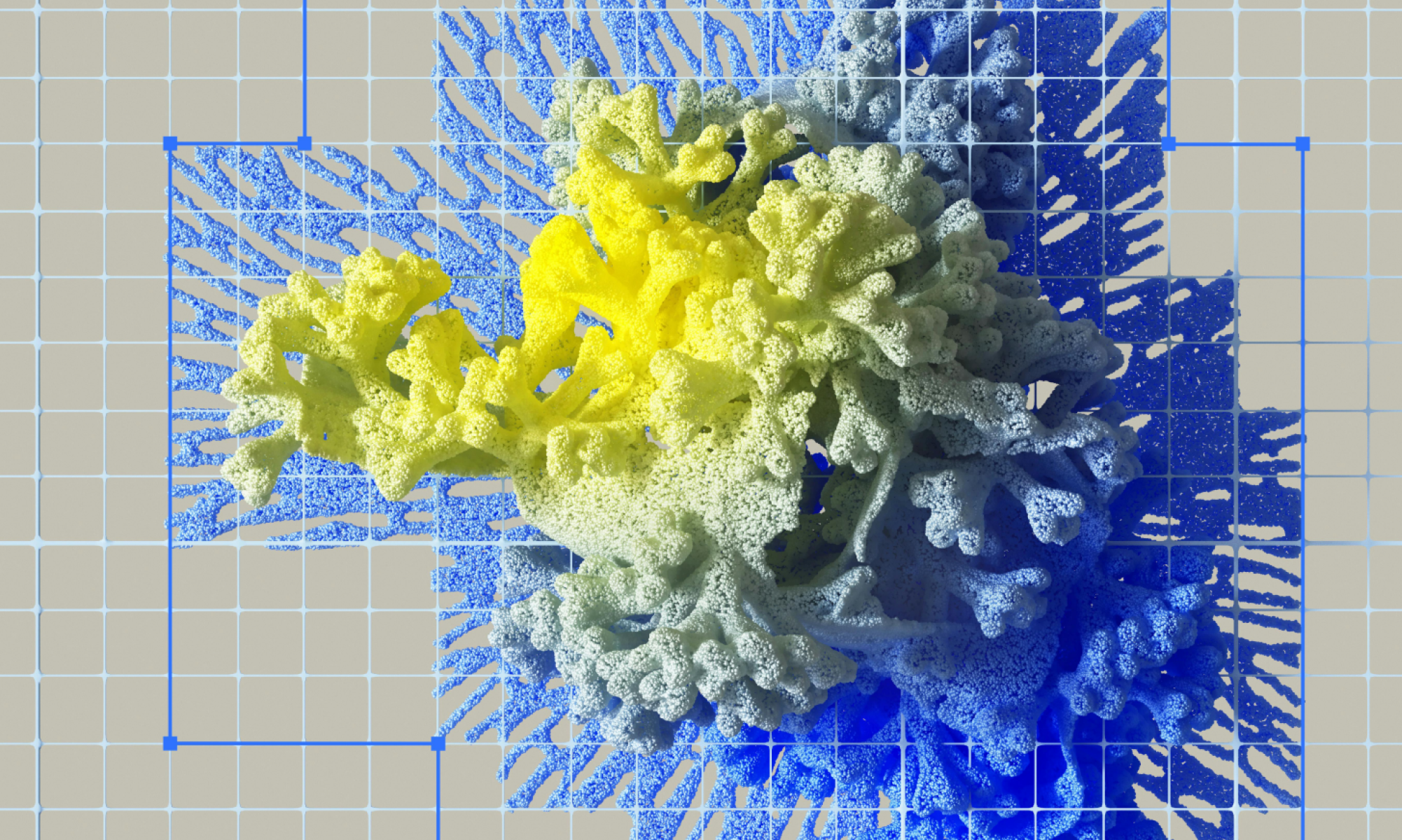
Business team reviewing AI workflow options, highlighting RAG vs fine-tuning and hybrid strategies for practical AI deployment.

Not all AI tasks are the same. Choosing the right approach can save time, cost and hassle. Retrieval Augmented Generation (RAG) and fine tuning are two common ways to tailor AI for your business, but they solve different problems.

RAG is ideal when your source of truth changes often, compliance needs clear citations, or important details are spread across many documents. The focus is on retrieving accurate information first before generating outputs. Think of it as giving your AI direct access to the latest version of your business knowledge. For example, a customer support tool that needs to answer questions based on regularly updated policy documents would benefit from RAG.

Fine tuning works best when tone, style or structure is stable, domain language is consistent and you need results quickly without high costs. Evaluation focuses on output quality, style and fidelity, not retrieval accuracy. In other words, the model learns your way of working and applies it repeatedly without needing to search for information each time. For instance, a marketing assistant that produces emails in a consistent brand voice is a good candidate for fine tuning.

Many teams find a hybrid approach works best: RAG for facts, fine tuning for style, using simple templates to organise outputs and saving frequent requests to make the system faster and easier to manage. This helps keep information accurate and on brand. Hidden costs can still appear, including making sure the AI finds the right information, keeping its understanding consistent over time, managing different versions of your data and checking that everything is correctly tagged and up to date. Evaluation should reflect what real users actually do, not just ideal scenarios. Problems usually appear only when real users start interacting with the system.

At Studio Graphene we work with clients to figure out the best approach, set up the right mix of models and tools and put checks in place so everything keeps running smoothly. We guide teams step by step, helping them understand what they actually need and making sure all parts of the system work together. We show teams which approach fits each problem, help them avoid common mistakes and deliver AI that works reliably in everyday use.

By using the right approach and checking it regularly, teams can adapt as data, rules or user needs change. This way AI grows with your business and keeps delivering value without starting from scratch.

spread the word, spread the word, spread the word, spread the word,
Developer experience as a measure of software delivery performance.
Development

Developer Experience Is a Delivery Metric

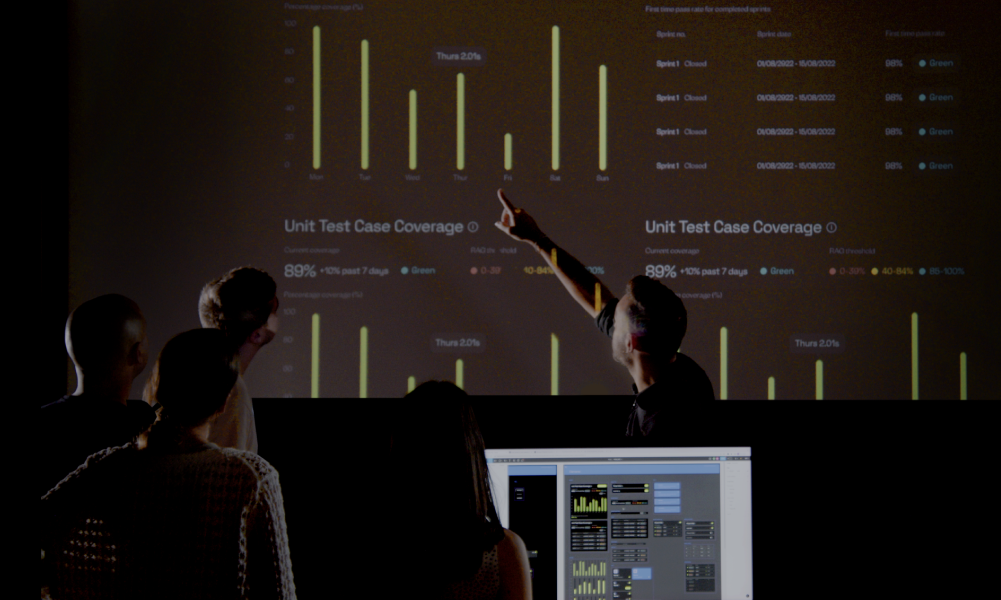
People analysing Pulse delivery performance data displayed on a large screen, with laptops in front of them.
AI

We Built an MCP Server for Pulse and Stopped Building Our Chatbot

Measuring the impact of agentic development on software delivery, from developer effort and code quality to team throughput.
AI

How Do You Know Agentic Development Is Making Delivery Better?

Diagram illustrating Studio Graphene’s multi-agent code review workflow, with separate agents checking code quality, security and engineering standards before findings are challenged and reviewed by an engineer.
AI

Can AI Agents Really Review Each Other’s Work?

Illustration representing AI agents writing code alongside developers overseeing the software development process and making key engineering decisions.
AI

When AI Agents Write the Code, What Do Developers Actually Do?

Developer Experience Is a Delivery Metric

Developer experience as a measure of software delivery performance.
Development

Developer Experience Is a Delivery Metric

We Built an MCP Server for Pulse and Stopped Building Our Chatbot

People analysing Pulse delivery performance data displayed on a large screen, with laptops in front of them.
AI

We Built an MCP Server for Pulse and Stopped Building Our Chatbot

How Do You Know Agentic Development Is Making Delivery Better?

Measuring the impact of agentic development on software delivery, from developer effort and code quality to team throughput.
AI

How Do You Know Agentic Development Is Making Delivery Better?

Can AI Agents Really Review Each Other’s Work?

Diagram illustrating Studio Graphene’s multi-agent code review workflow, with separate agents checking code quality, security and engineering standards before findings are challenged and reviewed by an engineer.
AI

Can AI Agents Really Review Each Other’s Work?

When AI Agents Write the Code, What Do Developers Actually Do?

Illustration representing AI agents writing code alongside developers overseeing the software development process and making key engineering decisions.
AI

When AI Agents Write the Code, What Do Developers Actually Do?

Developer Experience Is a Delivery Metric

Developer experience as a measure of software delivery performance.

We Built an MCP Server for Pulse and Stopped Building Our Chatbot

People analysing Pulse delivery performance data displayed on a large screen, with laptops in front of them.

How Do You Know Agentic Development Is Making Delivery Better?

Measuring the impact of agentic development on software delivery, from developer effort and code quality to team throughput.

Can AI Agents Really Review Each Other’s Work?

Diagram illustrating Studio Graphene’s multi-agent code review workflow, with separate agents checking code quality, security and engineering standards before findings are challenged and reviewed by an engineer.

When AI Agents Write the Code, What Do Developers Actually Do?

Illustration representing AI agents writing code alongside developers overseeing the software development process and making key engineering decisions.