Insights

In AI-Native Products, Design Becomes a Product Decision
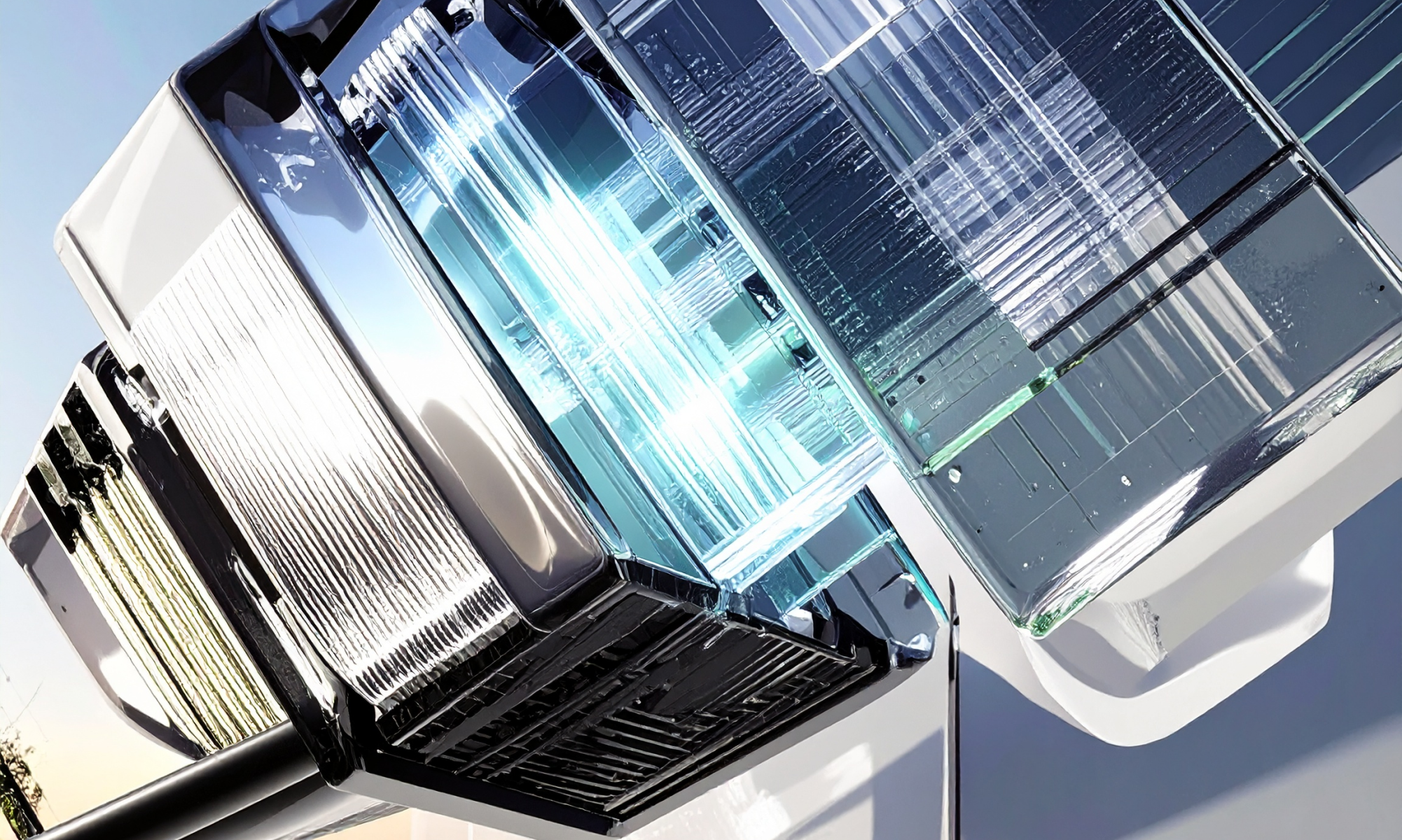
Abstract illustration showing AI-native product design, with interconnected systems, automation flows and decision points highlighting how design influences both user experience and product behaviour from the outset

Design has always helped shape how people experience digital products. In AI-native products, it also plays a role in defining how those products operate, from what gets automated to how decisions are made and presented to users.

AI-native products are not simply traditional products with AI features added on top. When AI is responsible for making recommendations, automating tasks or taking actions on behalf of users, decisions about functionality and user experience become closely connected. How the product works and how it is experienced are no longer separate conversations.

In traditional software, many experience decisions can be refined as the product evolves, but AI-native products are different because some of the most important decisions need to be made much earlier. What should be automated? When should users remain in control? How should recommendations be presented? What level of transparency is required? These aren't design details that can be refined later. They are product decisions that shape how value is delivered from the outset.

This is why design cannot be treated as a finishing touch in AI-native products. By the time engineering decisions have been made and workflows defined, many of the most important experience decisions are already effectively locked in. Bringing design into the conversation earlier allows teams to explore different approaches, test assumptions and shape how the product will work in practice, not just how it will look or feel.

The organisations seeing the strongest results from AI are not simply asking where it can be added to existing products. They are exploring how AI changes products, services and operating models altogether. Design becomes part of that shift, shaping how AI capabilities are turned into usable systems, from how decisions are surfaced to how much control users retain.

At Studio Graphene, this is why we bring strategy, design and engineering together from day one. In AI-native products, many of the most important decisions sit across all three disciplines, from what gets automated to how systems behave and how value is delivered in practice. The organisations moving fastest are not treating design as a finishing touch. They are using it alongside strategy and engineering to shape how AI is applied from the outset, rather than layering it on afterwards.

spread the word, spread the word, spread the word, spread the word,
Team collaborating on an AI-native digital product strategy
AI

Using AI Doesn’t Make You An AI-native Digital Product Studio

Team working on an AI product strategy and building a working product
AI

AI Strategy Shouldn’t End With a Plan. It Should End With a Product

Exploring what an AI-native business could look like when built around what AI makes possible.
AI

If you were building your business today, would it be AI-native?

Illustration representing AI software delivery, measuring outcomes, validation and engineering performance rather than development output alone.
AI

True Velocity: Measuring the Real Impact of AI on Software Delivery

Illustration representing AI-native product development, combining AI capabilities with traditional software through deliberate product design.
AI

Adding AI Features Doesn’t Make a Product AI-Native

Using AI Doesn’t Make You An AI-native Digital Product Studio

Team collaborating on an AI-native digital product strategy
AI

Using AI Doesn’t Make You An AI-native Digital Product Studio

AI Strategy Shouldn’t End With a Plan. It Should End With a Product

Team working on an AI product strategy and building a working product
AI

AI Strategy Shouldn’t End With a Plan. It Should End With a Product

If you were building your business today, would it be AI-native?

Exploring what an AI-native business could look like when built around what AI makes possible.
AI

If you were building your business today, would it be AI-native?

True Velocity: Measuring the Real Impact of AI on Software Delivery

Illustration representing AI software delivery, measuring outcomes, validation and engineering performance rather than development output alone.
AI

True Velocity: Measuring the Real Impact of AI on Software Delivery

Adding AI Features Doesn’t Make a Product AI-Native

Illustration representing AI-native product development, combining AI capabilities with traditional software through deliberate product design.
AI

Adding AI Features Doesn’t Make a Product AI-Native

Using AI Doesn’t Make You An AI-native Digital Product Studio

Team collaborating on an AI-native digital product strategy

AI Strategy Shouldn’t End With a Plan. It Should End With a Product

Team working on an AI product strategy and building a working product

If you were building your business today, would it be AI-native?

Exploring what an AI-native business could look like when built around what AI makes possible.

True Velocity: Measuring the Real Impact of AI on Software Delivery

Illustration representing AI software delivery, measuring outcomes, validation and engineering performance rather than development output alone.

Adding AI Features Doesn’t Make a Product AI-Native

Illustration representing AI-native product development, combining AI capabilities with traditional software through deliberate product design.