Insights

Human-in-the-Loop AI: Designing Systems People Can Trust

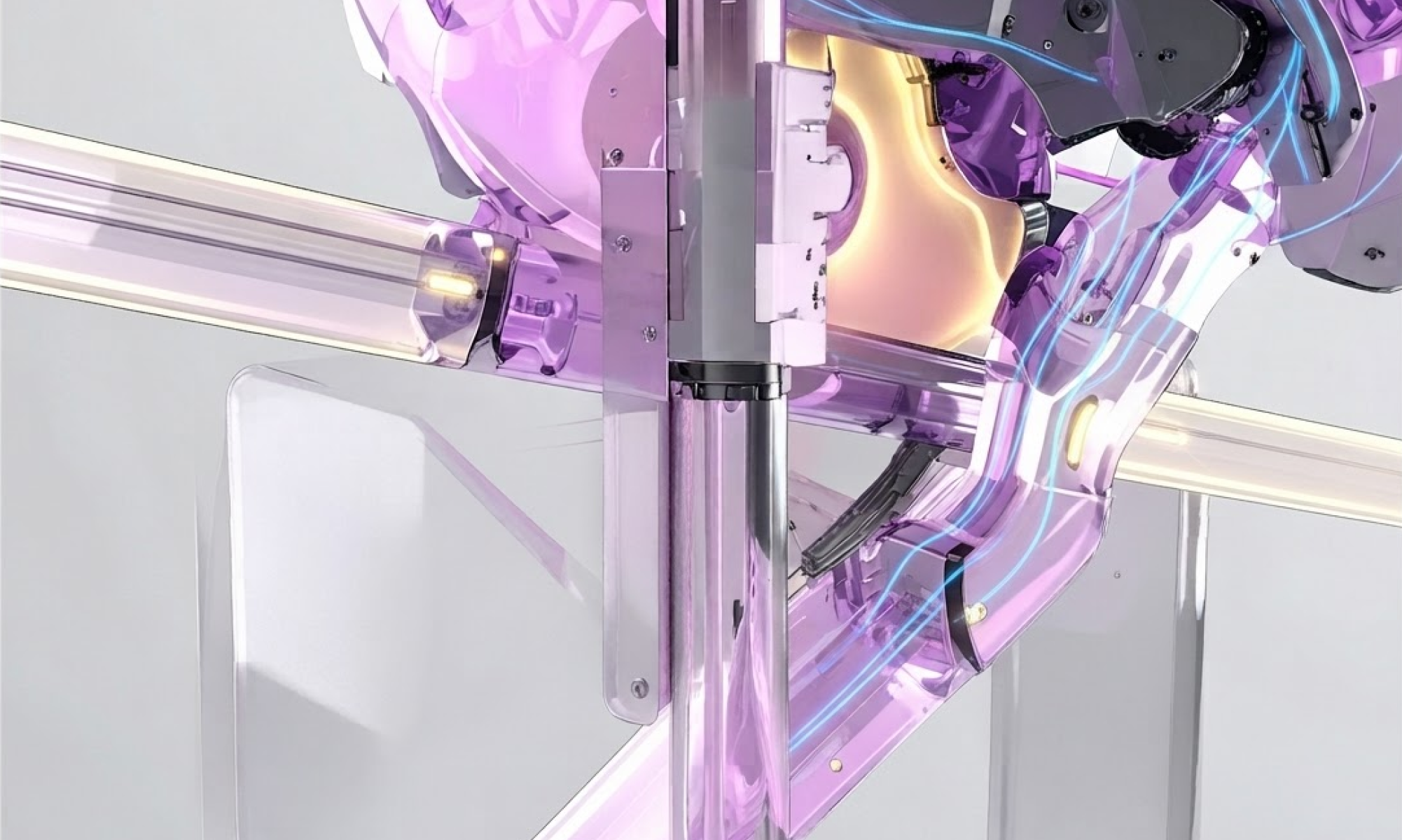
Illustration showing humans working alongside AI systems with clear handoffs, visibility and control in a digital product environment

“Human-in- the-loop” (HITL) gets talked about a lot in AI circles, often as a safety mechanism or a fallback. But this framing tends to miss the point. The most effective AI systems aren’t the ones trying to remove people from the equation. They’re the ones designed to work alongside them and designed into products people actually use.

In the real world, full autonomy is rarely the goal. What teams really want is relief from the parts of work that slow them down or drain energy: chasing information, coordinating steps, checking patterns, keeping things moving. AI handles these tasks consistently when they’re well defined, freeing people to focus on judgement, decision making and the moments that genuinely need human context. This is exactly where thoughtful digital product design makes the difference - making sure AI supports the user’s workflow vs. creating possible friction.

Problems start when human involvement is treated as a failure of automation. Which shouldn’t ever be the case. HITL is what makes AI practical, with people bringing context, accountability and an understanding of what matters right now. AI brings the speed, consistency and scale. When software is designed with this balance in mind, teams don’t just work faster but with more confidence - and it’s this confidence that should be intentionally designed into the product experience.

Good HITL design doesn’t happen by accident. At Studio Graphene, we embed it into every product we build. It’s deliberate about where AI can act independently and where it should pause. Behaviour is visible so users can understand what’s happening without needing to be technical. And it assumes things will go wrong sometimes, so small errors don’t quietly compound into bigger problems.

This matters even more in digital products that people rely on every day. If users feel unsure about what a system is doing, or worry they’ll be surprised by an automated decision, trust can potentially vanish pretty quickly. When behaviour is predictable and control is clear, the opposite happens: people lean in rather than work around the system.

Our aim at Studio Graphene is simple: to build software that makes people feel more capable and supported. HITL systems improve efficiency and they make work possible that would otherwise be overwhelming or unrealistic. The real gains come from giving humans better tools to think clearly, make better decisions and stay in control - all designed into the digital products they use every day.
spread the word, spread the word, spread the word, spread the word,
Developer experience as a measure of software delivery performance.
Development

Developer Experience Is a Delivery Metric

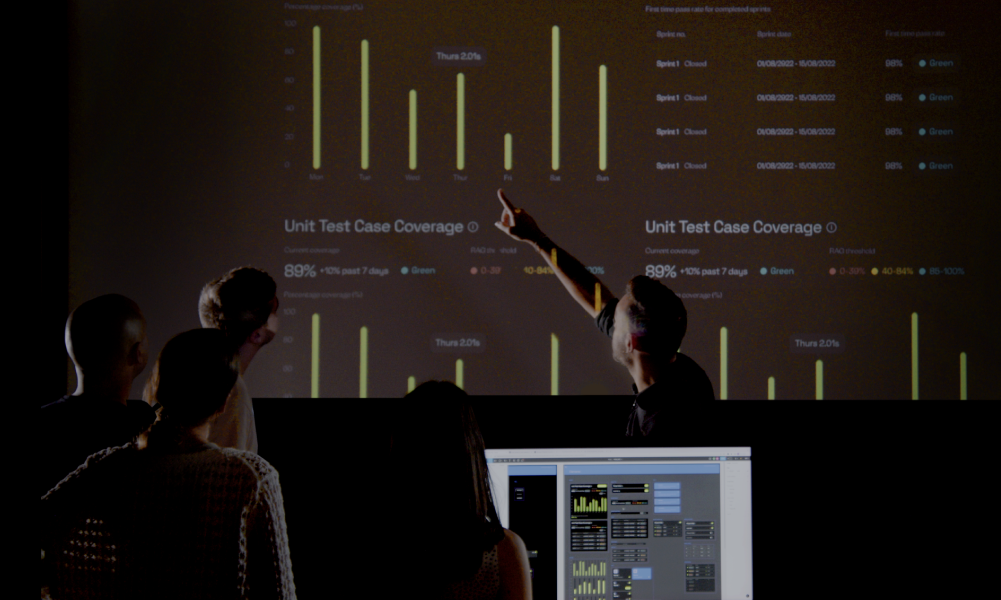
People analysing Pulse delivery performance data displayed on a large screen, with laptops in front of them.
AI

We Built an MCP Server for Pulse and Stopped Building Our Chatbot

Measuring the impact of agentic development on software delivery, from developer effort and code quality to team throughput.
AI

How Do You Know Agentic Development Is Making Delivery Better?

Diagram illustrating Studio Graphene’s multi-agent code review workflow, with separate agents checking code quality, security and engineering standards before findings are challenged and reviewed by an engineer.
AI

Can AI Agents Really Review Each Other’s Work?

Illustration representing AI agents writing code alongside developers overseeing the software development process and making key engineering decisions.
AI

When AI Agents Write the Code, What Do Developers Actually Do?

Developer Experience Is a Delivery Metric

Developer experience as a measure of software delivery performance.
Development

Developer Experience Is a Delivery Metric

We Built an MCP Server for Pulse and Stopped Building Our Chatbot

People analysing Pulse delivery performance data displayed on a large screen, with laptops in front of them.
AI

We Built an MCP Server for Pulse and Stopped Building Our Chatbot

How Do You Know Agentic Development Is Making Delivery Better?

Measuring the impact of agentic development on software delivery, from developer effort and code quality to team throughput.
AI

How Do You Know Agentic Development Is Making Delivery Better?

Can AI Agents Really Review Each Other’s Work?

Diagram illustrating Studio Graphene’s multi-agent code review workflow, with separate agents checking code quality, security and engineering standards before findings are challenged and reviewed by an engineer.
AI

Can AI Agents Really Review Each Other’s Work?

When AI Agents Write the Code, What Do Developers Actually Do?

Illustration representing AI agents writing code alongside developers overseeing the software development process and making key engineering decisions.
AI

When AI Agents Write the Code, What Do Developers Actually Do?

Developer Experience Is a Delivery Metric

Developer experience as a measure of software delivery performance.

We Built an MCP Server for Pulse and Stopped Building Our Chatbot

People analysing Pulse delivery performance data displayed on a large screen, with laptops in front of them.

How Do You Know Agentic Development Is Making Delivery Better?

Measuring the impact of agentic development on software delivery, from developer effort and code quality to team throughput.

Can AI Agents Really Review Each Other’s Work?

Diagram illustrating Studio Graphene’s multi-agent code review workflow, with separate agents checking code quality, security and engineering standards before findings are challenged and reviewed by an engineer.

When AI Agents Write the Code, What Do Developers Actually Do?

Illustration representing AI agents writing code alongside developers overseeing the software development process and making key engineering decisions.