
Insights

How To Measure AI Adoption Without Vanity Metrics
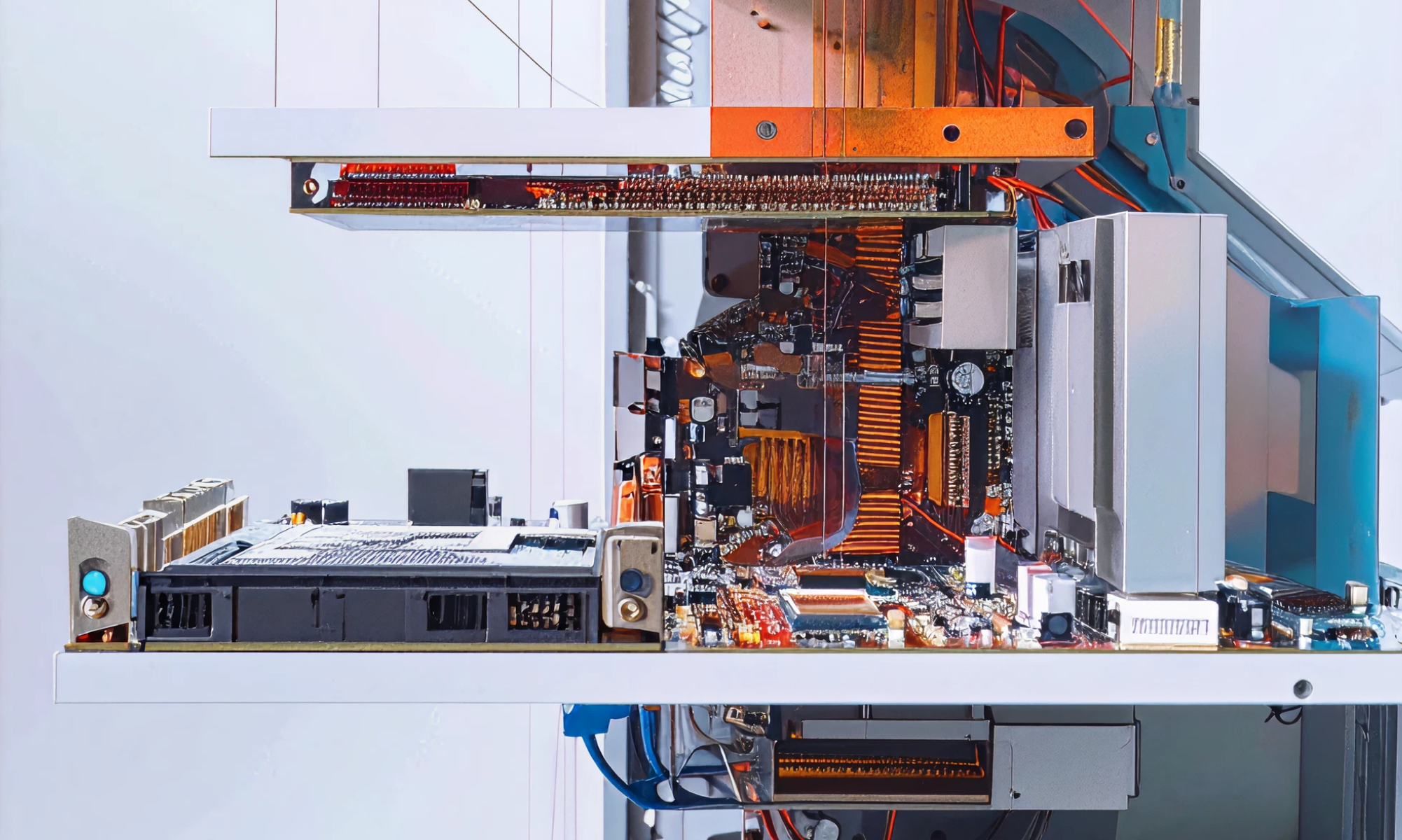
Dashboard showing AI performance metrics focused on trust, adoption and impact instead of vanity metrics like accuracy or usage.

Many organisations measure AI adoption with surface-level metrics: usage counts, accuracy percentages, or the number of models deployed. While these are easy to track, they rarely capture whether AI is actually creating value. A model might be used daily, but if it doesn’t improve decision making or build trust among teams, its impact is limited.

A more effective approach links AI performance to outcomes people actually care about - reducing manual errors, speeding up decisions, shortening delivery cycles, or improving customer experiences. Metrics should be practical, measurable and tied to clear business goals, not just model accuracy or prediction volume.

At Studio Graphene, we encourage teams to look beyond technical performance and focus on adoption metrics that reflect behaviour and trust. For example, tracking how frequently teams rely on AI insights to make decisions can reveal more about impact than simply knowing a model’s precision score. We’ve also seen success where cross functional teams use shared dashboards to review improvements in decision speed, throughput or quality - helping them see tangible progress without adding unnecessary process.

Lightweight dashboards and reporting frameworks make these insights visible and actionable. They help teams identify which models are truly delivering value and where retraining or refinement is needed. By grounding measurement in outcomes that matter, organisations can make smarter calls on where to invest in AI, which tools to scale and where to step back.

Our role at Studio Graphene is to help define those meaningful KPIs, integrate them into existing workflows and create a rhythm of continuous evaluation. It’s about giving teams the visibility and confidence to know their AI isn’t just accurate - it’s genuinely making work better, faster and smarter.

spread the word, spread the word, spread the word, spread the word,
Developer experience as a measure of software delivery performance.
Development

Developer Experience Is a Delivery Metric

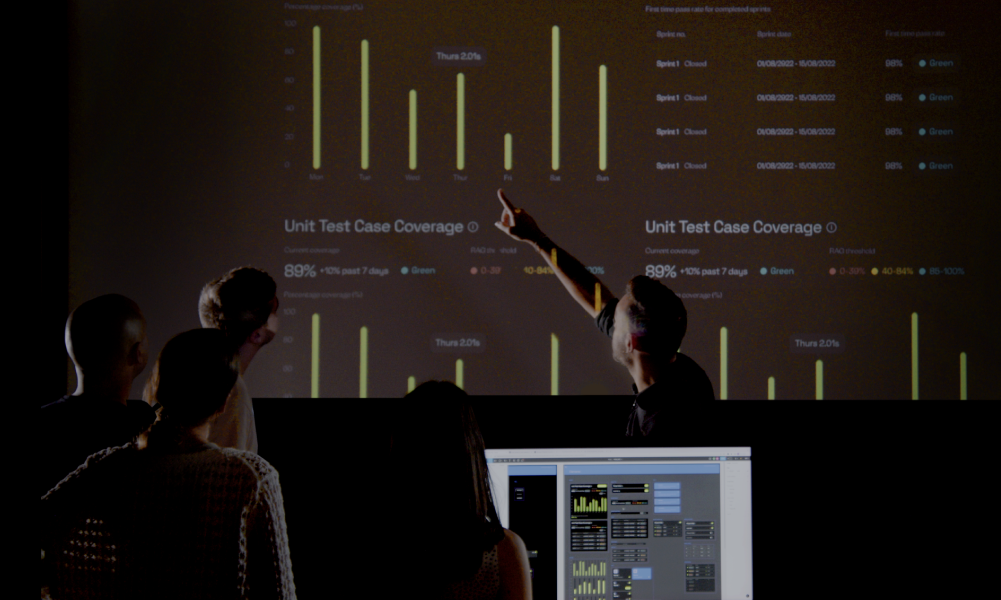
People analysing Pulse delivery performance data displayed on a large screen, with laptops in front of them.
AI

We Built an MCP Server for Pulse and Stopped Building Our Chatbot

Measuring the impact of agentic development on software delivery, from developer effort and code quality to team throughput.
AI

How Do You Know Agentic Development Is Making Delivery Better?

Diagram illustrating Studio Graphene’s multi-agent code review workflow, with separate agents checking code quality, security and engineering standards before findings are challenged and reviewed by an engineer.
AI

Can AI Agents Really Review Each Other’s Work?

Illustration representing AI agents writing code alongside developers overseeing the software development process and making key engineering decisions.
AI

When AI Agents Write the Code, What Do Developers Actually Do?

Developer Experience Is a Delivery Metric

Developer experience as a measure of software delivery performance.
Development

Developer Experience Is a Delivery Metric

We Built an MCP Server for Pulse and Stopped Building Our Chatbot

People analysing Pulse delivery performance data displayed on a large screen, with laptops in front of them.
AI

We Built an MCP Server for Pulse and Stopped Building Our Chatbot

How Do You Know Agentic Development Is Making Delivery Better?

Measuring the impact of agentic development on software delivery, from developer effort and code quality to team throughput.
AI

How Do You Know Agentic Development Is Making Delivery Better?

Can AI Agents Really Review Each Other’s Work?

Diagram illustrating Studio Graphene’s multi-agent code review workflow, with separate agents checking code quality, security and engineering standards before findings are challenged and reviewed by an engineer.
AI

Can AI Agents Really Review Each Other’s Work?

When AI Agents Write the Code, What Do Developers Actually Do?

Illustration representing AI agents writing code alongside developers overseeing the software development process and making key engineering decisions.
AI

When AI Agents Write the Code, What Do Developers Actually Do?

Developer Experience Is a Delivery Metric

Developer experience as a measure of software delivery performance.

We Built an MCP Server for Pulse and Stopped Building Our Chatbot

People analysing Pulse delivery performance data displayed on a large screen, with laptops in front of them.

How Do You Know Agentic Development Is Making Delivery Better?

Measuring the impact of agentic development on software delivery, from developer effort and code quality to team throughput.

Can AI Agents Really Review Each Other’s Work?

Diagram illustrating Studio Graphene’s multi-agent code review workflow, with separate agents checking code quality, security and engineering standards before findings are challenged and reviewed by an engineer.

When AI Agents Write the Code, What Do Developers Actually Do?

Illustration representing AI agents writing code alongside developers overseeing the software development process and making key engineering decisions.