Insights

How AI Interfaces Are Changing Certainty In Software Design
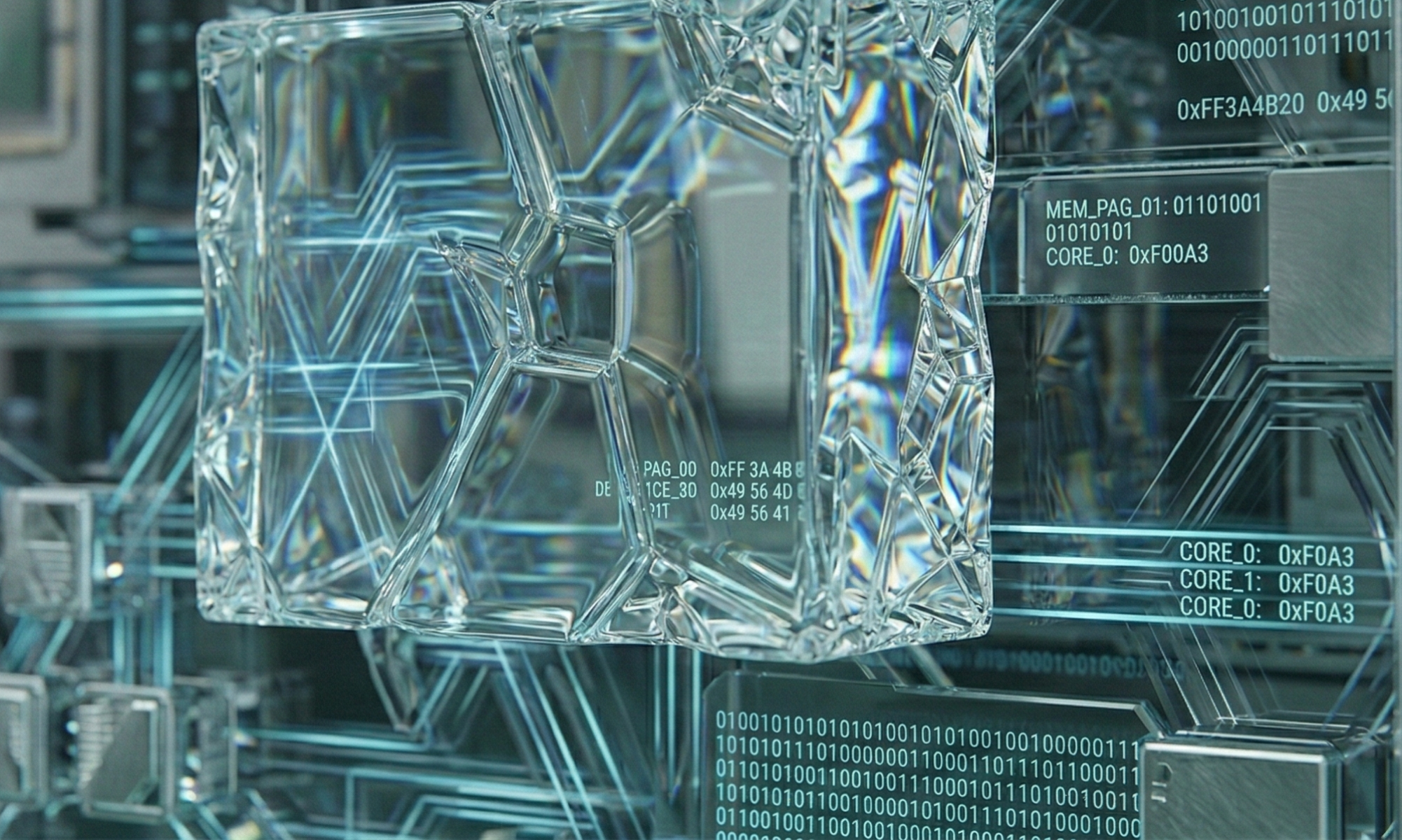
Abstract illustration of AI-driven software interfaces showing uncertainty in outputs and decision-making across digital products.

For as long as most of us can remember, software has been built around certainty. You take an action, the system responds -the interface makes that output clear. Under the hood, these systems are deterministic - i.e the same input leads to the same result and the interface exists to communicate that clearly. That flow works because the behaviour is predictable.

AI changes that dynamic. These systems don’t behave in the same fixed way as outputs are shaped by patterns, probabilities and context. What you tend to see is closer to a best guess than a guaranteed answer, even if it's rapidly produced, looks precise and well formed. The fascinating thing is that the underlying logic has changed, but the way it’s presented often hasn’t.

That mismatch is where problems start. A recommendation can look like the answer. A generated summary can read as if it’s complete. From a user’s point of view, there’s often no clear sign that what they’re looking at is one possible outcome rather than a definitive one. The irony being that the interface suggests more certainty than the system actually has.

You see the effect of this pretty quickly as people take outputs at face value because they look confident, not because they’ve been verified. Most of the time that’s fine, but when something isn’t quite right, it’s annoying in a way it shouldn’t be, because it wasn’t presented as something that might need questioning. Trust drops, not because the product is poor, but because expectations were too high.

Designing for AI requires a more deliberate approach. The goal isn’t to explain the model or surface technical detail, but to help people understand what they’re looking at and how to use it. That might mean showing how confident the system is, offering alternative outputs or making it easy to tweak and refine results. Small signals make a big difference.

It also changes how we think about consistency. In traditional software, inconsistency is treated as a defect to remove. In AI-driven systems, variation is part of how the system works and interfaces need to support that. Iterating, comparing and correcting should feel like a normal part of using the product, not something you only do when things go wrong.

At Studio Graphene, this is a practical design decision. Where outcomes need to be fixed, we use rules-based logic. Where uncertainty is part of the problem, we design for it. Trying to make probabilistic outputs feel completely certain usually creates more issues than it solves.

As AI becomes part of more critical workflows, this becomes less of a design detail and more of a trust question. For us it's making sure the behaviour is clear enough that people understand when and how to rely on it.
spread the word, spread the word, spread the word, spread the word,
Developer experience as a measure of software delivery performance.
Development

Developer Experience Is a Delivery Metric

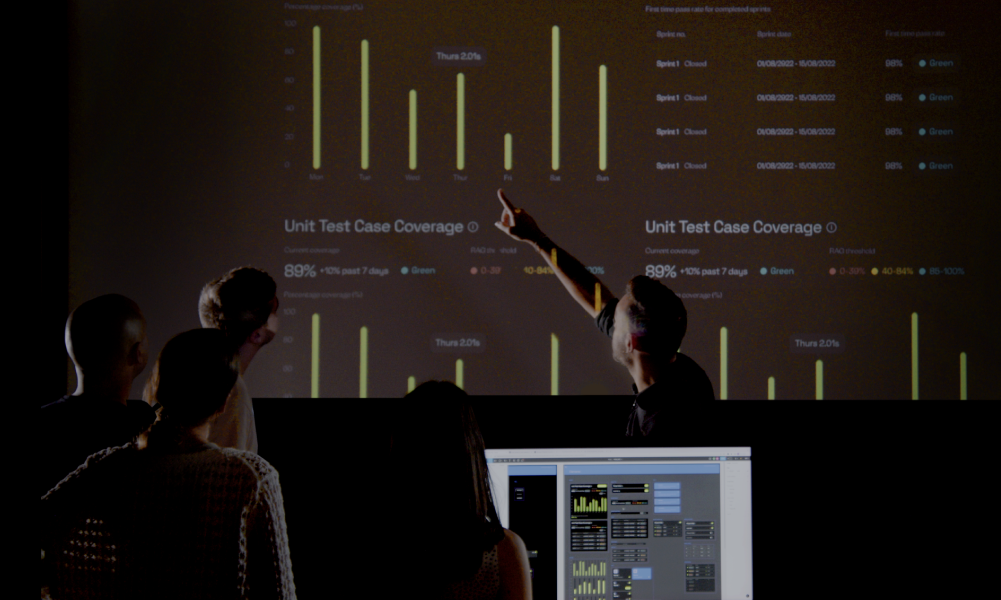
People analysing Pulse delivery performance data displayed on a large screen, with laptops in front of them.
AI

We Built an MCP Server for Pulse and Stopped Building Our Chatbot

Measuring the impact of agentic development on software delivery, from developer effort and code quality to team throughput.
AI

How Do You Know Agentic Development Is Making Delivery Better?

Diagram illustrating Studio Graphene’s multi-agent code review workflow, with separate agents checking code quality, security and engineering standards before findings are challenged and reviewed by an engineer.
AI

Can AI Agents Really Review Each Other’s Work?

Illustration representing AI agents writing code alongside developers overseeing the software development process and making key engineering decisions.
AI

When AI Agents Write the Code, What Do Developers Actually Do?

Developer Experience Is a Delivery Metric

Developer experience as a measure of software delivery performance.
Development

Developer Experience Is a Delivery Metric

We Built an MCP Server for Pulse and Stopped Building Our Chatbot

People analysing Pulse delivery performance data displayed on a large screen, with laptops in front of them.
AI

We Built an MCP Server for Pulse and Stopped Building Our Chatbot

How Do You Know Agentic Development Is Making Delivery Better?

Measuring the impact of agentic development on software delivery, from developer effort and code quality to team throughput.
AI

How Do You Know Agentic Development Is Making Delivery Better?

Can AI Agents Really Review Each Other’s Work?

Diagram illustrating Studio Graphene’s multi-agent code review workflow, with separate agents checking code quality, security and engineering standards before findings are challenged and reviewed by an engineer.
AI

Can AI Agents Really Review Each Other’s Work?

When AI Agents Write the Code, What Do Developers Actually Do?

Illustration representing AI agents writing code alongside developers overseeing the software development process and making key engineering decisions.
AI

When AI Agents Write the Code, What Do Developers Actually Do?

Developer Experience Is a Delivery Metric

Developer experience as a measure of software delivery performance.

We Built an MCP Server for Pulse and Stopped Building Our Chatbot

People analysing Pulse delivery performance data displayed on a large screen, with laptops in front of them.

How Do You Know Agentic Development Is Making Delivery Better?

Measuring the impact of agentic development on software delivery, from developer effort and code quality to team throughput.

Can AI Agents Really Review Each Other’s Work?

Diagram illustrating Studio Graphene’s multi-agent code review workflow, with separate agents checking code quality, security and engineering standards before findings are challenged and reviewed by an engineer.

When AI Agents Write the Code, What Do Developers Actually Do?

Illustration representing AI agents writing code alongside developers overseeing the software development process and making key engineering decisions.