
Insights

AI Guardrails: Making AI Safer and More Useful
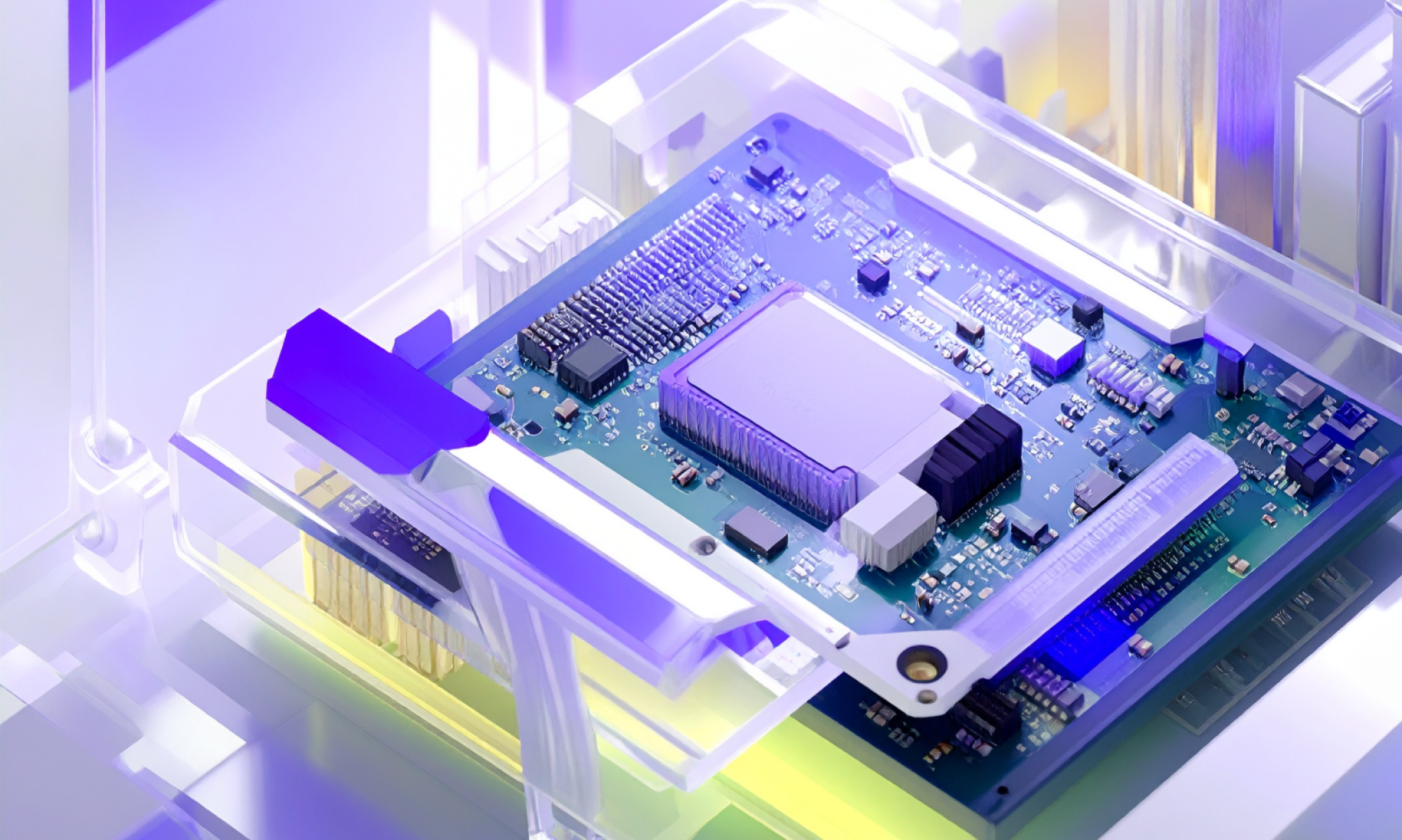
Illustration of AI guardrails in a system, showing safety features like confidence thresholds, input limits, output filters and human escalation.

AI systems make predictions or suggestions but they don’t always get it right. Guardrails are built in safety measures that help systems behave predictably, reduce errors and give teams confidence to use AI in everyday work.

Guardrails make AI outputs easier to trust. Instead of relying on people to catch mistakes after they happen, the system follows clear, automatic rules that reduce risk without slowing progress. A model might only act when confident enough in its answer, flag high risk situations for review or limit inputs to safe formats. Sensitive data can be removed before processing, keeping privacy intact while the work continues smoothly.

Think of guardrails as digital safety rails. They don’t get in the way but they keep AI on track. They help teams work faster and smarter, without having to double check every detail.

Before launch, teams can test how AI behaves in unusual or risky situations. That might mean simulating edge cases, trying harmful prompts or checking what happens when confidence is low. It’s just as important to have clear rollback paths so systems can recover safely when things don’t go as planned.

Once live, transparency builds trust. When an action is flagged or escalated, users should understand why. Simple messages like “why this was escalated” or one tap feedback help users stay informed and in control. 

Behind the scenes, the system should also log prompts, context and outcomes so issues are traceable and improvements easy to make.

Studio Graphene helps teams design and build guardrails that fit naturally into their products and workflows. We see them as part of thoughtful adoption – ensuring AI is used effectively, responsibly and with lasting impact. By packaging guardrails as reusable components we help organisations move faster, reduce repetitive setup and keep the process practical and safe.


spread the word, spread the word, spread the word, spread the word,
AI-native product designed to handle errors and support user recovery.
AI

AI-Native Products Will Get Things Wrong

AI-native products using business data to create more value as software becomes easier to build.
AI

AI-Native Products: The Value Is Shifting to Data

AI-native product design and levels of AI autonomy
AI

When Should An AI-native Product Act On Your Behalf?

AI-native product design showing how AI can shape the entire user experience rather than simply adding a chatbot interface.
AI

Building An AI-Native Product? Don’t Start With A Chatbot

Team collaborating on an AI-native digital product strategy
AI

Using AI Doesn’t Make You An AI-native Digital Product Studio

AI-Native Products Will Get Things Wrong

AI-native product designed to handle errors and support user recovery.
AI

AI-Native Products Will Get Things Wrong

AI-Native Products: The Value Is Shifting to Data

AI-native products using business data to create more value as software becomes easier to build.
AI

AI-Native Products: The Value Is Shifting to Data

When Should An AI-native Product Act On Your Behalf?

AI-native product design and levels of AI autonomy
AI

When Should An AI-native Product Act On Your Behalf?

Building An AI-Native Product? Don’t Start With A Chatbot

AI-native product design showing how AI can shape the entire user experience rather than simply adding a chatbot interface.
AI

Building An AI-Native Product? Don’t Start With A Chatbot

Using AI Doesn’t Make You An AI-native Digital Product Studio

Team collaborating on an AI-native digital product strategy
AI

Using AI Doesn’t Make You An AI-native Digital Product Studio

AI-Native Products Will Get Things Wrong

AI-native product designed to handle errors and support user recovery.

AI-Native Products: The Value Is Shifting to Data

AI-native products using business data to create more value as software becomes easier to build.

When Should An AI-native Product Act On Your Behalf?

AI-native product design and levels of AI autonomy

Building An AI-Native Product? Don’t Start With A Chatbot

AI-native product design showing how AI can shape the entire user experience rather than simply adding a chatbot interface.

Using AI Doesn’t Make You An AI-native Digital Product Studio

Team collaborating on an AI-native digital product strategy