our blog

What Does “AI Native” Really Mean?
What Does “AI Native” Really Mean?

Being AI native means designing with AI from the start - shaping decisions, processes and workflows around where prediction and adaptability add value. It’s rethinking how your organisation operates when intelligence and adaptability are baked in from day one.

AI native businesses think differently. They move from rigid rules to probabilities, from pure automation to human / AI collaboration, from fixed logic to adaptive systems that learn over time. That mindset shift unlocks flexibility and resilience, making it easier to respond to market changes, customer expectations and operational pressures.

You can see it in action: forecasting demand as part of planning, spotting operational risks in real time, personalising every customer touchpoint, or building internal tools that evolve with use. Each of these examples reflects a broader truth: AI native organisations treat adaptability as a core strength, not a by product.

It’s not just for big tech. Size and budget matter less than clarity of purpose, smart use of data and a willingness to experiment. Some of the most effective use cases come from smaller teams that are able to move quickly, test ideas and apply learnings without being bogged down by layers of process. What holds companies back is usually legacy systems, siloed data, a fear of unpredictability, or trying to force AI into places it doesn’t belong. The challenge is often less about technology and more about culture - creating the space to explore, learn and adapt.

Getting there means starting small but thinking big. Build a culture that asks the right questions, treat AI as part of your product or ops DNA and focus on where insight genuinely moves the needle. It’s about building momentum through meaningful wins, creating trust in the technology and showing people across the business that AI can make their jobs easier, not harder.

At Studio Graphene, we help businesses go beyond AI as a feature. We map where prediction makes a difference, design tools that fit real workflows and build the confidence and capability to scale AI over time. For us, being AI native is about practical impact - embedding intelligence where it creates real advantage and helping teams grow into it with confidence.

spread the word, spread the word, spread the word, spread the word,
Illustration showing product designers making judgement-led decisions in AI systems with variable, context-dependent outcomes rather than fixed outputs.
AI

AI Is Turning Product Design Into A Judgement-Led Discipline

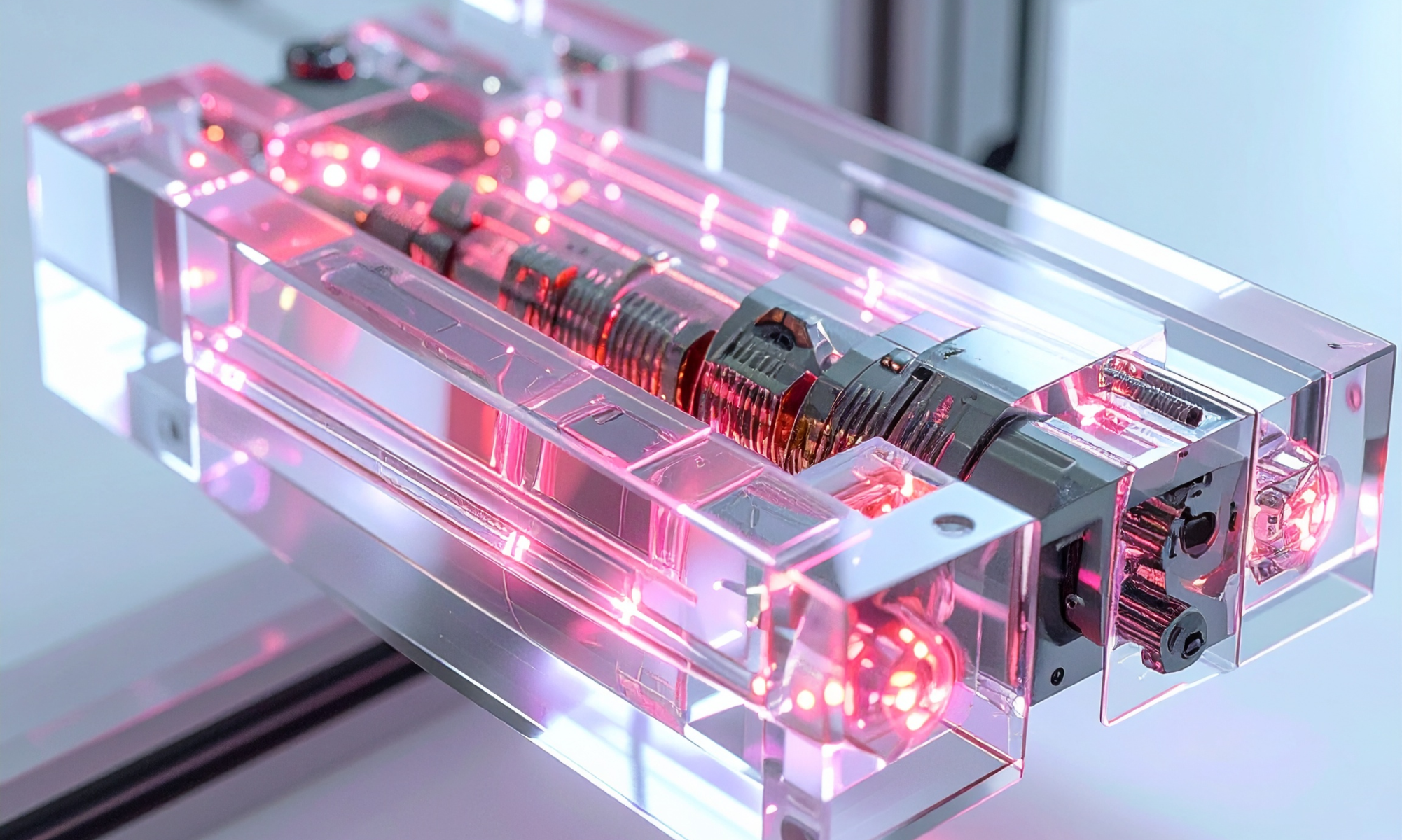
AI-generated illustration showing the shift in product design from static interfaces and predefined flows to evolving AI-native systems. The image reflects how design decisions extend beyond launch as products adapt through user interaction, feedback loops and changing system behaviour over time.
AI

AI Product Design No Longer Stops At Launch

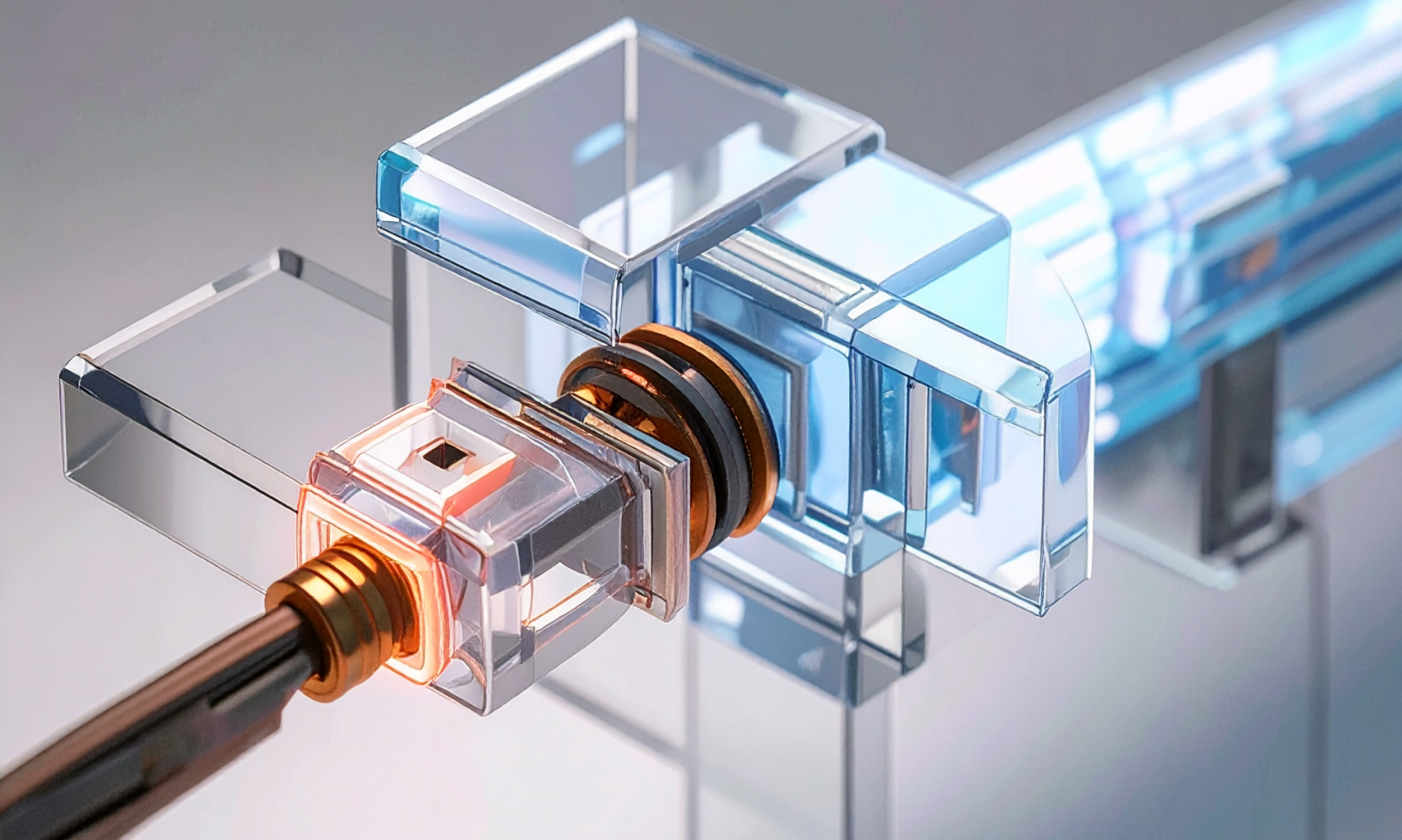
AI-generated illustration showing how UX design is evolving in AI products, with a balance between automation, trust, visibility and human control. The image represents the shift from traditional predictable software flows to more adaptive AI-driven experiences where clarity and recoverability are important to user confidence.
AI

Why AI Products Need Different UX Design Principles

Abstract illustration representing AI-driven product development, showing iterative cycles of building, testing and refining digital products.
AI

AI Has Made Product Iteration Faster. The Mindset Hasn’t Changed

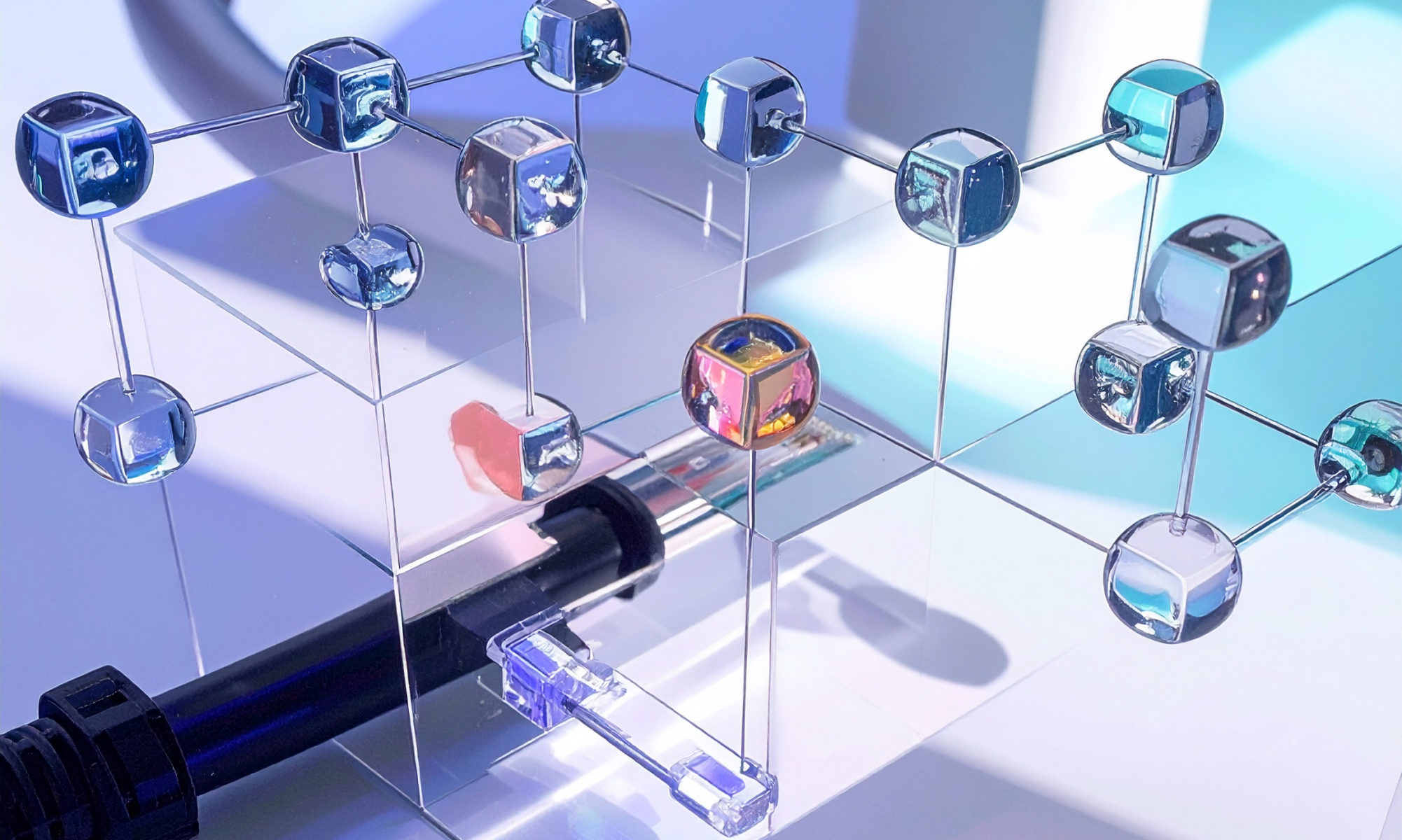
Abstract visual showing interconnected digital teams, workflows and systems representing shared ownership and accountability in AI-native product environments
AI

AI-Native Products Are Changing Ownership Models In Digital Teams

AI Is Turning Product Design Into A Judgement-Led Discipline

Illustration showing product designers making judgement-led decisions in AI systems with variable, context-dependent outcomes rather than fixed outputs.
AI

AI Is Turning Product Design Into A Judgement-Led Discipline

AI Product Design No Longer Stops At Launch

AI-generated illustration showing the shift in product design from static interfaces and predefined flows to evolving AI-native systems. The image reflects how design decisions extend beyond launch as products adapt through user interaction, feedback loops and changing system behaviour over time.
AI

AI Product Design No Longer Stops At Launch

Why AI Products Need Different UX Design Principles

AI-generated illustration showing how UX design is evolving in AI products, with a balance between automation, trust, visibility and human control. The image represents the shift from traditional predictable software flows to more adaptive AI-driven experiences where clarity and recoverability are important to user confidence.
AI

Why AI Products Need Different UX Design Principles

AI Has Made Product Iteration Faster. The Mindset Hasn’t Changed

Abstract illustration representing AI-driven product development, showing iterative cycles of building, testing and refining digital products.
AI

AI Has Made Product Iteration Faster. The Mindset Hasn’t Changed

AI-Native Products Are Changing Ownership Models In Digital Teams

Abstract visual showing interconnected digital teams, workflows and systems representing shared ownership and accountability in AI-native product environments
AI

AI-Native Products Are Changing Ownership Models In Digital Teams

AI Is Turning Product Design Into A Judgement-Led Discipline

Illustration showing product designers making judgement-led decisions in AI systems with variable, context-dependent outcomes rather than fixed outputs.

AI Product Design No Longer Stops At Launch

AI-generated illustration showing the shift in product design from static interfaces and predefined flows to evolving AI-native systems. The image reflects how design decisions extend beyond launch as products adapt through user interaction, feedback loops and changing system behaviour over time.

Why AI Products Need Different UX Design Principles

AI-generated illustration showing how UX design is evolving in AI products, with a balance between automation, trust, visibility and human control. The image represents the shift from traditional predictable software flows to more adaptive AI-driven experiences where clarity and recoverability are important to user confidence.

AI Has Made Product Iteration Faster. The Mindset Hasn’t Changed

Abstract illustration representing AI-driven product development, showing iterative cycles of building, testing and refining digital products.

AI-Native Products Are Changing Ownership Models In Digital Teams

Abstract visual showing interconnected digital teams, workflows and systems representing shared ownership and accountability in AI-native product environments