our blog

What “AI-Native” Actually Means (and Why Most Products Aren’t)
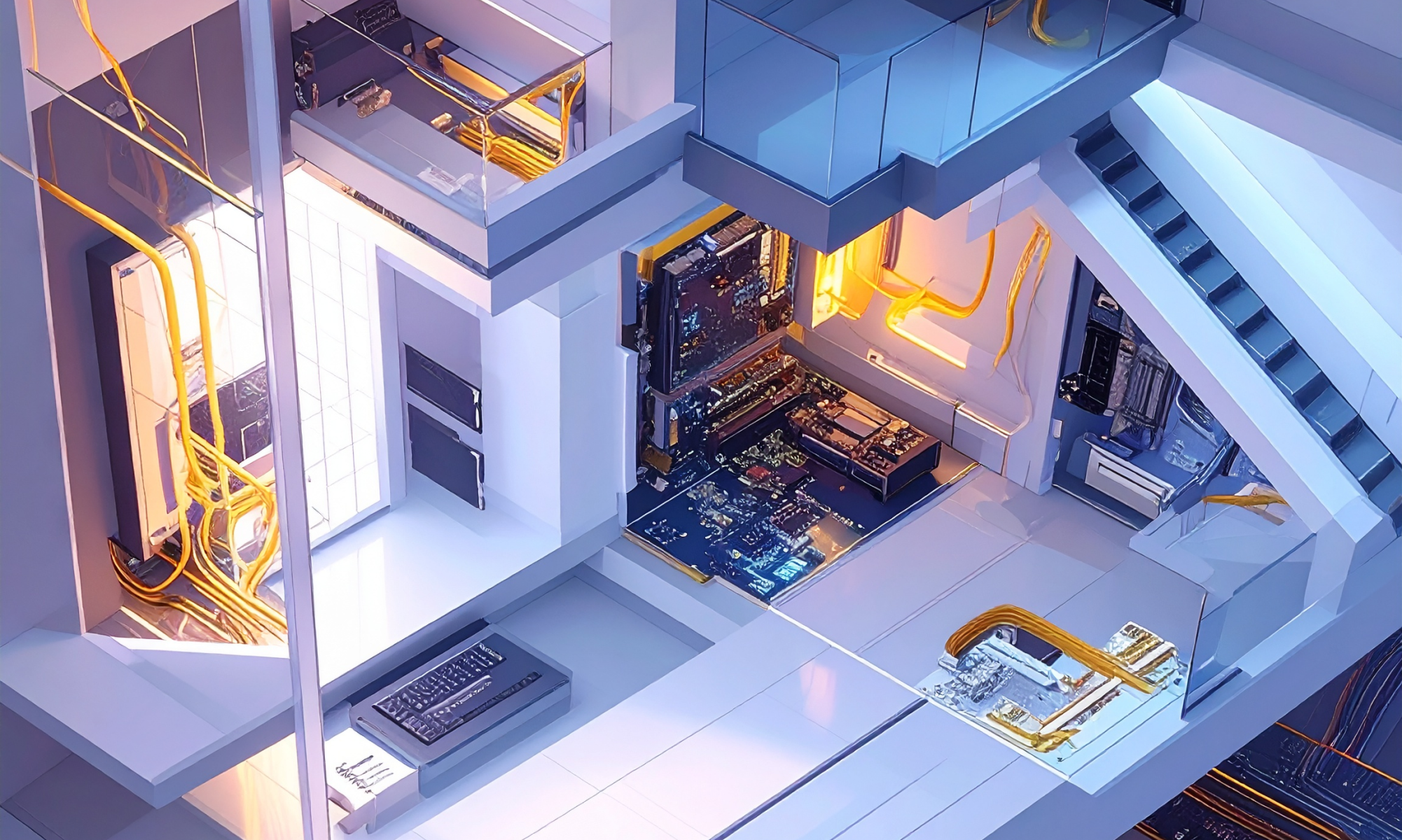
Abstract illustration showing AI-native product design concepts, with systems architecture, workflows and intelligence embedded into product development from the outset rather than layered onto existing systems

AI-native is often used to describe products that weren’t designed around AI in the first place, but instead have AI added into an existing experience.

Most of what gets described as AI-native today is actually closer to AI-enabled or AI-assisted products, where AI has been added into an existing experience rather than designed into the system from the start. That distinction matters because it changes what those systems are capable of and how they evolve over time.

AI-assisted means using AI to improve an existing way of working. AI-enabled means adding AI capabilities to an existing product or service. AI-native goes a step further. Rather than adding AI to an existing model, the product, service or operating model is designed around AI from the outset. Intelligence isn’t an additional feature. It becomes a core part of how the system works, and that distinction affects everything that follows.

When AI is added later, it has to work around decisions that were made before AI was part of the picture. The architecture, workflows and user experience were designed around a different set of assumptions. As a result, AI often feels constrained by the product rather than fully integrated into it.

When products are designed AI-native from the start, those constraints largely disappear. Workflows can be rethought around automation. Interfaces can be built around conversation and multimodal interaction. Systems can learn, adapt and improve over time because that behaviour was considered from day one rather than retrofitted later.

This doesn’t mean AI-native is always the right answer. For many organisations, improving what already exists will create more value than starting again. In practice, AI-assisted and AI-enabled approaches are often the fastest and most effective way to deliver meaningful results.

Whether a product is labelled AI-native is less important than whether designing around AI actually creates an advantage. In some cases it will, but in others improving what already exists will deliver the better outcome.

At Studio Graphene, this is a distinction we help organisations navigate across strategy, design and build. Because the goal isn’t to make everything AI-native. The goal is to understand when it should be, and what becomes possible when it is.


spread the word, spread the word, spread the word, spread the word,
Product managers, designers and engineers collaborating with AI tools to design, test and build digital products more efficiently.
AI

How AI Is Changing The Way Product Teams Build

Team exploring AI opportunities by rethinking digital products, services and workflows around emerging technology
AI

The Biggest AI Opportunity Might Not Be Where You Think

Product team defining an AI product by focusing on user needs, workflows and problem solving rather than model selection.
AI

Why the Best AI Products Don’t Start With AI

AI product development workflow showing a demo transitioning into production systems with monitoring, data and feedback loops.
AI

Why “Production-Ready” AI Means More Than “It Works”

Abstract illustration showing AI product development workflows, with evolving digital product stages, iterative build cycles and real-time user feedback loops replacing traditional prototype-based development approaches
AI

Why The First AI Product Doesn’t Have To Be A Prototype

How AI Is Changing The Way Product Teams Build

Product managers, designers and engineers collaborating with AI tools to design, test and build digital products more efficiently.
AI

How AI Is Changing The Way Product Teams Build

The Biggest AI Opportunity Might Not Be Where You Think

Team exploring AI opportunities by rethinking digital products, services and workflows around emerging technology
AI

The Biggest AI Opportunity Might Not Be Where You Think

Why the Best AI Products Don’t Start With AI

Product team defining an AI product by focusing on user needs, workflows and problem solving rather than model selection.
AI

Why the Best AI Products Don’t Start With AI

Why “Production-Ready” AI Means More Than “It Works”

AI product development workflow showing a demo transitioning into production systems with monitoring, data and feedback loops.
AI

Why “Production-Ready” AI Means More Than “It Works”

Why The First AI Product Doesn’t Have To Be A Prototype

Abstract illustration showing AI product development workflows, with evolving digital product stages, iterative build cycles and real-time user feedback loops replacing traditional prototype-based development approaches
AI

Why The First AI Product Doesn’t Have To Be A Prototype

How AI Is Changing The Way Product Teams Build

Product managers, designers and engineers collaborating with AI tools to design, test and build digital products more efficiently.

The Biggest AI Opportunity Might Not Be Where You Think

Team exploring AI opportunities by rethinking digital products, services and workflows around emerging technology

Why the Best AI Products Don’t Start With AI

Product team defining an AI product by focusing on user needs, workflows and problem solving rather than model selection.

Why “Production-Ready” AI Means More Than “It Works”

AI product development workflow showing a demo transitioning into production systems with monitoring, data and feedback loops.

Why The First AI Product Doesn’t Have To Be A Prototype

Abstract illustration showing AI product development workflows, with evolving digital product stages, iterative build cycles and real-time user feedback loops replacing traditional prototype-based development approaches