our blog

The Most Expensive Mistake in AI Product Development
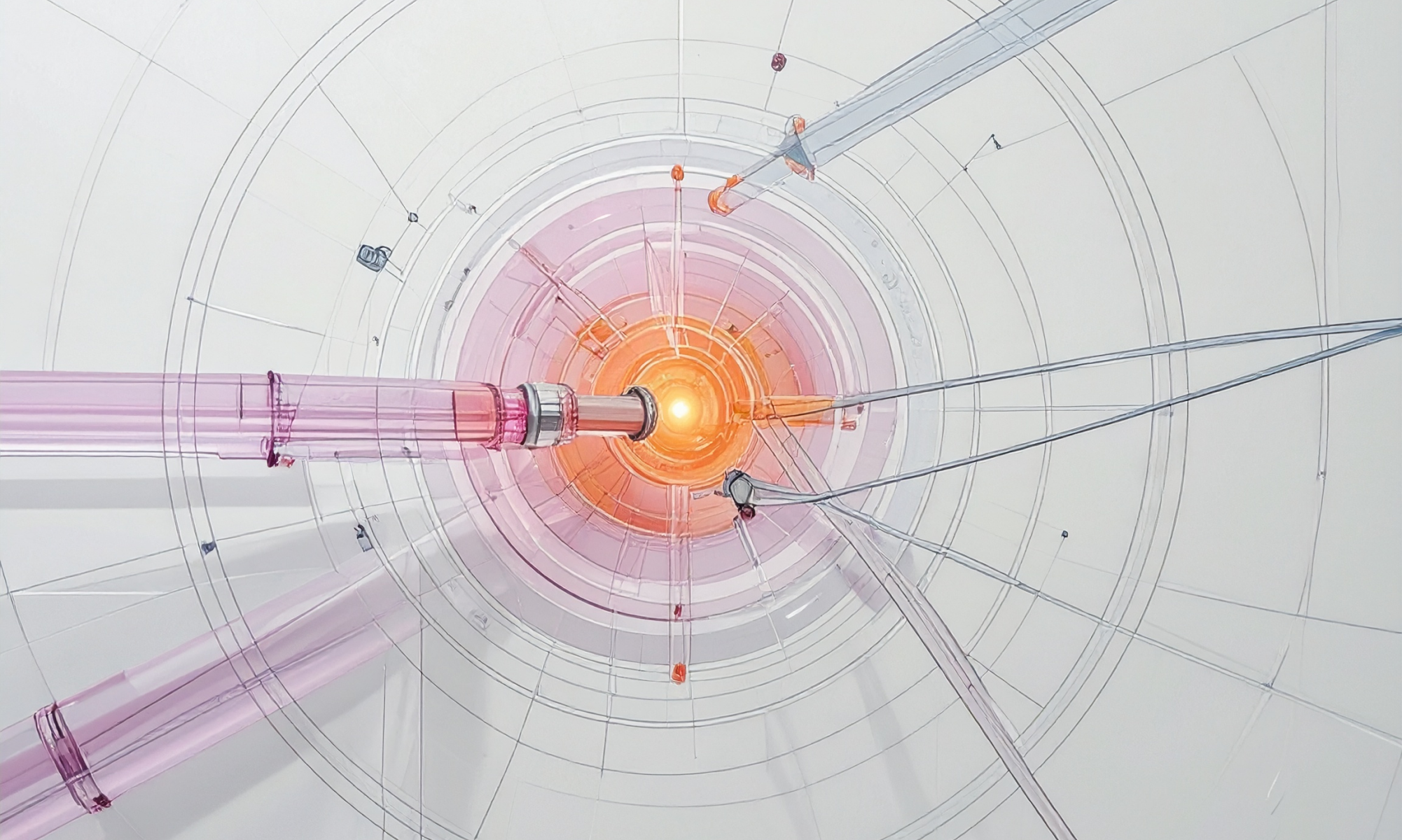
Abstract illustration showing AI product development workflows, with rapid experimentation, prototyping and validation loops connected to product decision-making and business outcomes

The most expensive mistake in AI product development isn’t a failed deployment or a missed deadline. It’s investing in the wrong thing and only realising it after significant time, budget and effort have already been committed.

This is a pattern we’re seeing more frequently. AI has made it much easier to build, test and demonstrate new ideas. The challenge is that the ability to move quickly can create a false sense of confidence, especially when the focus shifts towards what can be built rather than whether it should be built in the first place. AI lowers the cost of building, but it does not lower the cost of building the wrong thing.

Teams tend to build the features that are easiest to imagine rather than the ones that create the most value. Use cases get selected because they are technically interesting, not because they sit within a meaningful workflow. Products tend to reflect what AI can do rather than what customers or teams are actually trying to achieve, which means the underlying problem can sometimes get lost as momentum builds around the solution.

By the time questions about adoption, impact or ROI are being asked, significant budget has already been committed and the conversation becomes harder to have honestly. Avoiding this isn’t about slowing everything down, it’s about being more deliberate at the start and challenging whether the right problem is being solved before committing significant time, budget or team capacity.

That means understanding where AI creates a genuine advantage rather than simply adding complexity. It means sizing the opportunity properly, identifying where value will come from and being clear about what is worth building first. Most organisations start by asking how AI can improve what they already do. A more useful question is whether AI changes what should be built in the first place.

At Studio Graphene, this is a challenge we see often in AI product work. We help organisations identify where AI can create a genuine advantage, validate opportunities early and build evidence before significant investment is committed. The most expensive mistake is rarely building too slowly. It’s building the wrong thing quickly.

spread the word, spread the word, spread the word, spread the word,
Abstract illustration showing AI product development workflows, with rapid experimentation, prototyping and validation loops connected to product decision-making and business outcomes
AI

The Most Expensive Mistake in AI Product Development

Illustration representing an AI-native competitor challenging traditional product strategy, showing how AI, automation and modern engineering can help organisations rethink inherited assumptions, operating models and competitive advantage.
AI

What Would Your AI-Native Competitor Do?

Abstract illustration showing AI influencing product strategy, with connected systems representing ideas, validation and rapid experimentation feeding into product decisions
AI

How AI Is Changing Product Strategy and Validation

Illustration showing product designers making judgement-led decisions in AI systems with variable, context-dependent outcomes rather than fixed outputs.
AI

AI Is Turning Product Design Into A Judgement-Led Discipline

AI-generated illustration showing the shift in product design from static interfaces and predefined flows to evolving AI-native systems. The image reflects how design decisions extend beyond launch as products adapt through user interaction, feedback loops and changing system behaviour over time.
AI

AI Product Design No Longer Stops At Launch

The Most Expensive Mistake in AI Product Development

Abstract illustration showing AI product development workflows, with rapid experimentation, prototyping and validation loops connected to product decision-making and business outcomes
AI

The Most Expensive Mistake in AI Product Development

What Would Your AI-Native Competitor Do?

Illustration representing an AI-native competitor challenging traditional product strategy, showing how AI, automation and modern engineering can help organisations rethink inherited assumptions, operating models and competitive advantage.
AI

What Would Your AI-Native Competitor Do?

How AI Is Changing Product Strategy and Validation

Abstract illustration showing AI influencing product strategy, with connected systems representing ideas, validation and rapid experimentation feeding into product decisions
AI

How AI Is Changing Product Strategy and Validation

AI Is Turning Product Design Into A Judgement-Led Discipline

Illustration showing product designers making judgement-led decisions in AI systems with variable, context-dependent outcomes rather than fixed outputs.
AI

AI Is Turning Product Design Into A Judgement-Led Discipline

AI Product Design No Longer Stops At Launch

AI-generated illustration showing the shift in product design from static interfaces and predefined flows to evolving AI-native systems. The image reflects how design decisions extend beyond launch as products adapt through user interaction, feedback loops and changing system behaviour over time.
AI

AI Product Design No Longer Stops At Launch

The Most Expensive Mistake in AI Product Development

Abstract illustration showing AI product development workflows, with rapid experimentation, prototyping and validation loops connected to product decision-making and business outcomes

What Would Your AI-Native Competitor Do?

Illustration representing an AI-native competitor challenging traditional product strategy, showing how AI, automation and modern engineering can help organisations rethink inherited assumptions, operating models and competitive advantage.

How AI Is Changing Product Strategy and Validation

Abstract illustration showing AI influencing product strategy, with connected systems representing ideas, validation and rapid experimentation feeding into product decisions

AI Is Turning Product Design Into A Judgement-Led Discipline

Illustration showing product designers making judgement-led decisions in AI systems with variable, context-dependent outcomes rather than fixed outputs.

AI Product Design No Longer Stops At Launch

AI-generated illustration showing the shift in product design from static interfaces and predefined flows to evolving AI-native systems. The image reflects how design decisions extend beyond launch as products adapt through user interaction, feedback loops and changing system behaviour over time.