our blog

Predictive AI: Making Operations Run Smoother Behind The Scenes
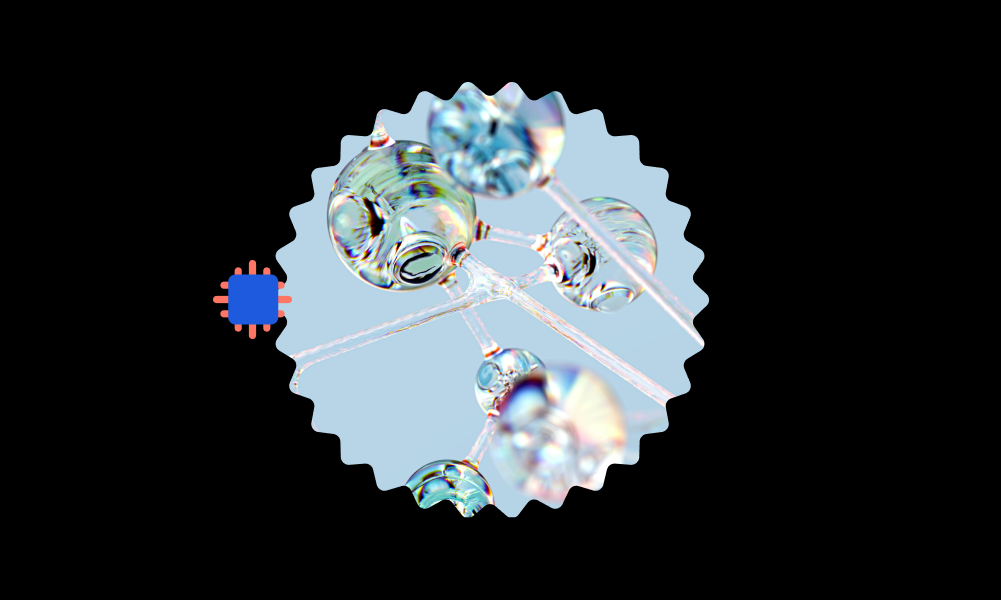
Predictive AI helps operations run smoother, but it can often be overlooked. It’s not there to impress with bold claims or flashy dashboards - it’s there to anticipate issues before they happen, helping teams stay one step ahead. And while it might not grab attention in the same way as more visible tools, it’s quickly becoming one of the most valuable additions to day to day operations.

Instead of just reporting on what’s already gone wrong, predictive AI uses past and real time data to spot what’s likely to happen next. That means fewer surprises, better decisions and more control over moving parts. The most useful use cases are often the simplest - forecasting when stock might run low, planning staff around demand, identifying bottlenecks before they build up, detecting unusual activity or scheduling maintenance before things break. None of these are headline grabbing, but all of them have real impact.

One of the biggest challenges is trust. Ops teams are used to dealing in certainties, so probabilistic predictions can feel uncomfortable. But that’s where transparency matters as it needs to be clear why something has been flagged. Starting small also helps so therefore focus on a single, specific pain point, prove the value and build from there.

We’ve seen this approach work well in projects where simple models have helped reduce delays, improve planning and ease decision making. Often it’s not about building something complex, it’s about using what’s already there - the data, the processes but in a smarter way.

We’re continuing to explore where predictive AI can add value, from forecasting demand to spotting workflow issues earlier. In recent projects, that’s meant running small pilots and feasibility studies to test what’s possible, working closely with operations teams to make sure the tools fit real needs. By combining predictive AI with real operational know how, we’re building practical, reliable tools that fit the way teams already work - and behind the scenes make everything run a bit better.

spread the word, spread the word, spread the word, spread the word,
Abstract visual showing interconnected digital teams, workflows and systems representing shared ownership and accountability in AI-native product environments
AI

AI-Native Products Are Changing Ownership Models In Digital Teams

Abstract visual representing AI-native product and service design with connected workflows, digital interfaces and operational systems working together
AI

AI-Native Products Are Blurring The Line Between Product And Service Design

Abstract representation of AI product design showing evolving digital interfaces and iterative system behaviour over time
AI

AI Products Don’t Stay Finished: Why Product Design Is Becoming More Iterative Than Ever

Ritam Gandhi announces Studio Graphene’s integration with Tribe and expansion into Ireland
Studio

Why We’re Welcoming Tribe into Studio Graphene

AI-driven digital interface showing reduced user interaction, with automated systems handling tasks in the background while users monitor outputs and decisions through a simplified dashboard.
AI

AI Is Making Interfaces Less Visible. But Design Is Becoming More Important, Not Less

AI-Native Products Are Changing Ownership Models In Digital Teams

Abstract visual showing interconnected digital teams, workflows and systems representing shared ownership and accountability in AI-native product environments
AI

AI-Native Products Are Changing Ownership Models In Digital Teams

AI-Native Products Are Blurring The Line Between Product And Service Design

Abstract visual representing AI-native product and service design with connected workflows, digital interfaces and operational systems working together
AI

AI-Native Products Are Blurring The Line Between Product And Service Design

AI Products Don’t Stay Finished: Why Product Design Is Becoming More Iterative Than Ever

Abstract representation of AI product design showing evolving digital interfaces and iterative system behaviour over time
AI

AI Products Don’t Stay Finished: Why Product Design Is Becoming More Iterative Than Ever

Why We’re Welcoming Tribe into Studio Graphene

Ritam Gandhi announces Studio Graphene’s integration with Tribe and expansion into Ireland
Studio

Why We’re Welcoming Tribe into Studio Graphene

AI Is Making Interfaces Less Visible. But Design Is Becoming More Important, Not Less

AI-driven digital interface showing reduced user interaction, with automated systems handling tasks in the background while users monitor outputs and decisions through a simplified dashboard.
AI

AI Is Making Interfaces Less Visible. But Design Is Becoming More Important, Not Less

AI-Native Products Are Changing Ownership Models In Digital Teams

Abstract visual showing interconnected digital teams, workflows and systems representing shared ownership and accountability in AI-native product environments

AI-Native Products Are Blurring The Line Between Product And Service Design

Abstract visual representing AI-native product and service design with connected workflows, digital interfaces and operational systems working together

AI Products Don’t Stay Finished: Why Product Design Is Becoming More Iterative Than Ever

Abstract representation of AI product design showing evolving digital interfaces and iterative system behaviour over time

Why We’re Welcoming Tribe into Studio Graphene

Ritam Gandhi announces Studio Graphene’s integration with Tribe and expansion into Ireland

AI Is Making Interfaces Less Visible. But Design Is Becoming More Important, Not Less

AI-driven digital interface showing reduced user interaction, with automated systems handling tasks in the background while users monitor outputs and decisions through a simplified dashboard.