our blog

Practical AI: Getting More Value from Small, Right Sized Models
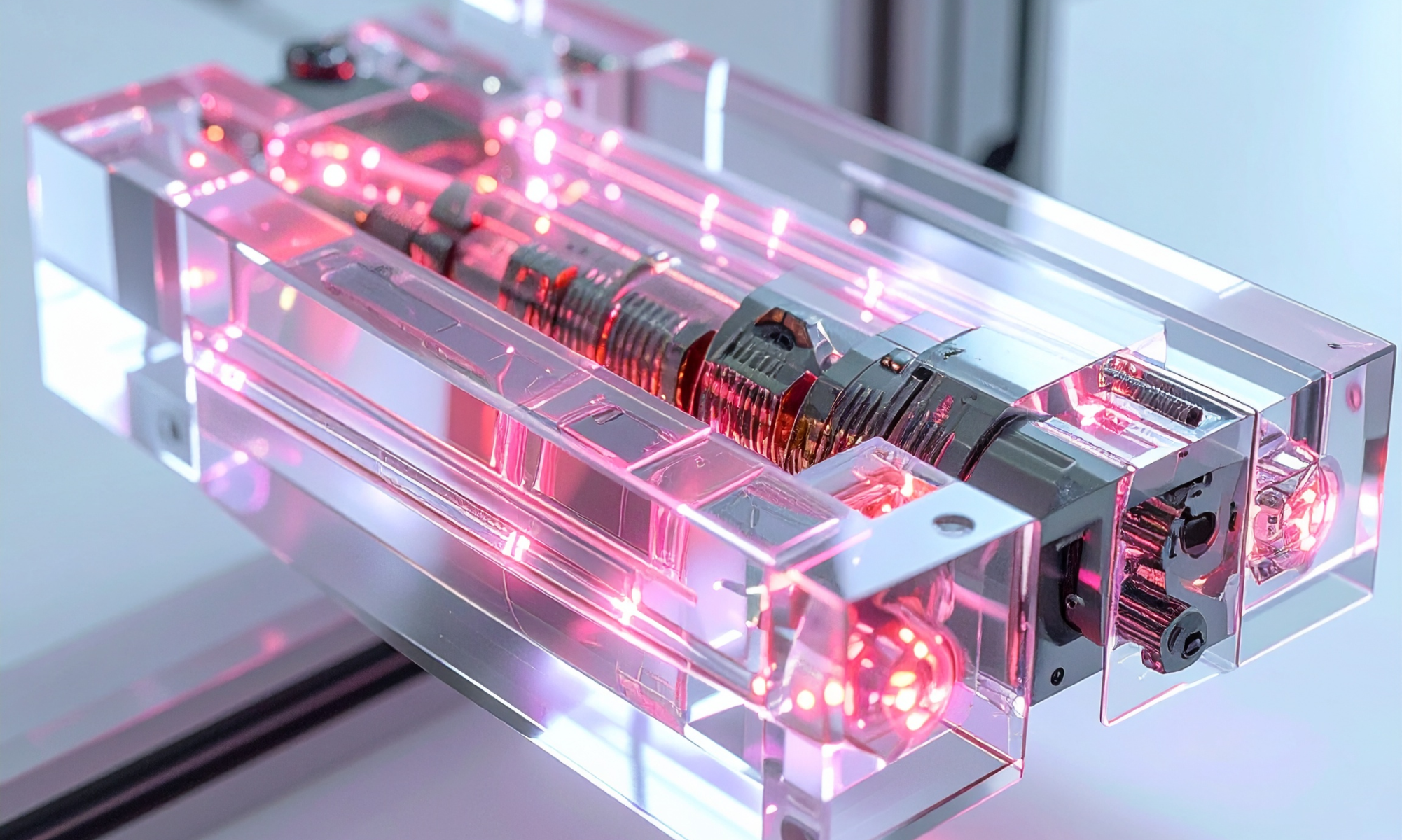
Illustration showing AI models of different sizes with smaller models delivering fast, reliable, and cost-effective results in a business workflow.

For many businesses, AI still feels abstract. There is a lot of noise about huge models and complex infrastructure that do not translate to everyday work. You do not need the biggest or most advanced model to get real value. Smaller, right sized models are often the ones that make AI practical and reliable.

Speed has a direct impact on how people use AI. If a model responds slowly, it disrupts the flow of work. Smaller models respond faster and feel more natural to use. They are also easier to run inside your own environment which helps when you are working with sensitive information.

Cost is another area where right sized models help. Large models can be powerful but they can also drain a budget quickly. Smaller models make it easier to understand what each action costs. You can reuse results where it makes sense and save your premium model calls for moments that really need them. This keeps spending predictable and easier for teams to plan.

Reliability is just as important. When AI becomes part of a workflow, teams lose confidence if it times out or behaves unpredictably. Smaller models are usually more stable, easier to monitor and simpler to update. They also use far less energy which can make your setup more sustainable as it grows.

Real progress comes from getting the basics right. Clean data, clear workflows and a good user experience will always matter more than tiny improvements in accuracy. Once things work well for the business you can optimise or scale up later.

At Studio Graphene, we help teams build AI that is practical from day one. We right size the stack, show the real cost per decision in plain pounds and help teams understand where speed and performance matter. Everything is designed to be clear, controlled and easy to scale.

Choosing smaller models is not cutting corners. Smaller, right sized AI works better, faster and smarter for your organisation. It reduces risk, keeps costs under control and helps teams adopt AI confidently, while focusing on real business outcomes.


spread the word, spread the word, spread the word, spread the word,
Product managers, designers and engineers collaborating with AI tools to design, test and build digital products more efficiently.
AI

How AI Is Changing The Way Product Teams Build

Team exploring AI opportunities by rethinking digital products, services and workflows around emerging technology
AI

The Biggest AI Opportunity Might Not Be Where You Think

Product team defining an AI product by focusing on user needs, workflows and problem solving rather than model selection.
AI

Why the Best AI Products Don’t Start With AI

AI product development workflow showing a demo transitioning into production systems with monitoring, data and feedback loops.
AI

Why “Production-Ready” AI Means More Than “It Works”

Abstract illustration showing AI product development workflows, with evolving digital product stages, iterative build cycles and real-time user feedback loops replacing traditional prototype-based development approaches
AI

Why The First AI Product Doesn’t Have To Be A Prototype

How AI Is Changing The Way Product Teams Build

Product managers, designers and engineers collaborating with AI tools to design, test and build digital products more efficiently.
AI

How AI Is Changing The Way Product Teams Build

The Biggest AI Opportunity Might Not Be Where You Think

Team exploring AI opportunities by rethinking digital products, services and workflows around emerging technology
AI

The Biggest AI Opportunity Might Not Be Where You Think

Why the Best AI Products Don’t Start With AI

Product team defining an AI product by focusing on user needs, workflows and problem solving rather than model selection.
AI

Why the Best AI Products Don’t Start With AI

Why “Production-Ready” AI Means More Than “It Works”

AI product development workflow showing a demo transitioning into production systems with monitoring, data and feedback loops.
AI

Why “Production-Ready” AI Means More Than “It Works”

Why The First AI Product Doesn’t Have To Be A Prototype

Abstract illustration showing AI product development workflows, with evolving digital product stages, iterative build cycles and real-time user feedback loops replacing traditional prototype-based development approaches
AI

Why The First AI Product Doesn’t Have To Be A Prototype

How AI Is Changing The Way Product Teams Build

Product managers, designers and engineers collaborating with AI tools to design, test and build digital products more efficiently.

The Biggest AI Opportunity Might Not Be Where You Think

Team exploring AI opportunities by rethinking digital products, services and workflows around emerging technology

Why the Best AI Products Don’t Start With AI

Product team defining an AI product by focusing on user needs, workflows and problem solving rather than model selection.

Why “Production-Ready” AI Means More Than “It Works”

AI product development workflow showing a demo transitioning into production systems with monitoring, data and feedback loops.

Why The First AI Product Doesn’t Have To Be A Prototype

Abstract illustration showing AI product development workflows, with evolving digital product stages, iterative build cycles and real-time user feedback loops replacing traditional prototype-based development approaches