our blog

Multimodal AI Interface Design: Connecting Voice, Chat And Automation In Digital Products
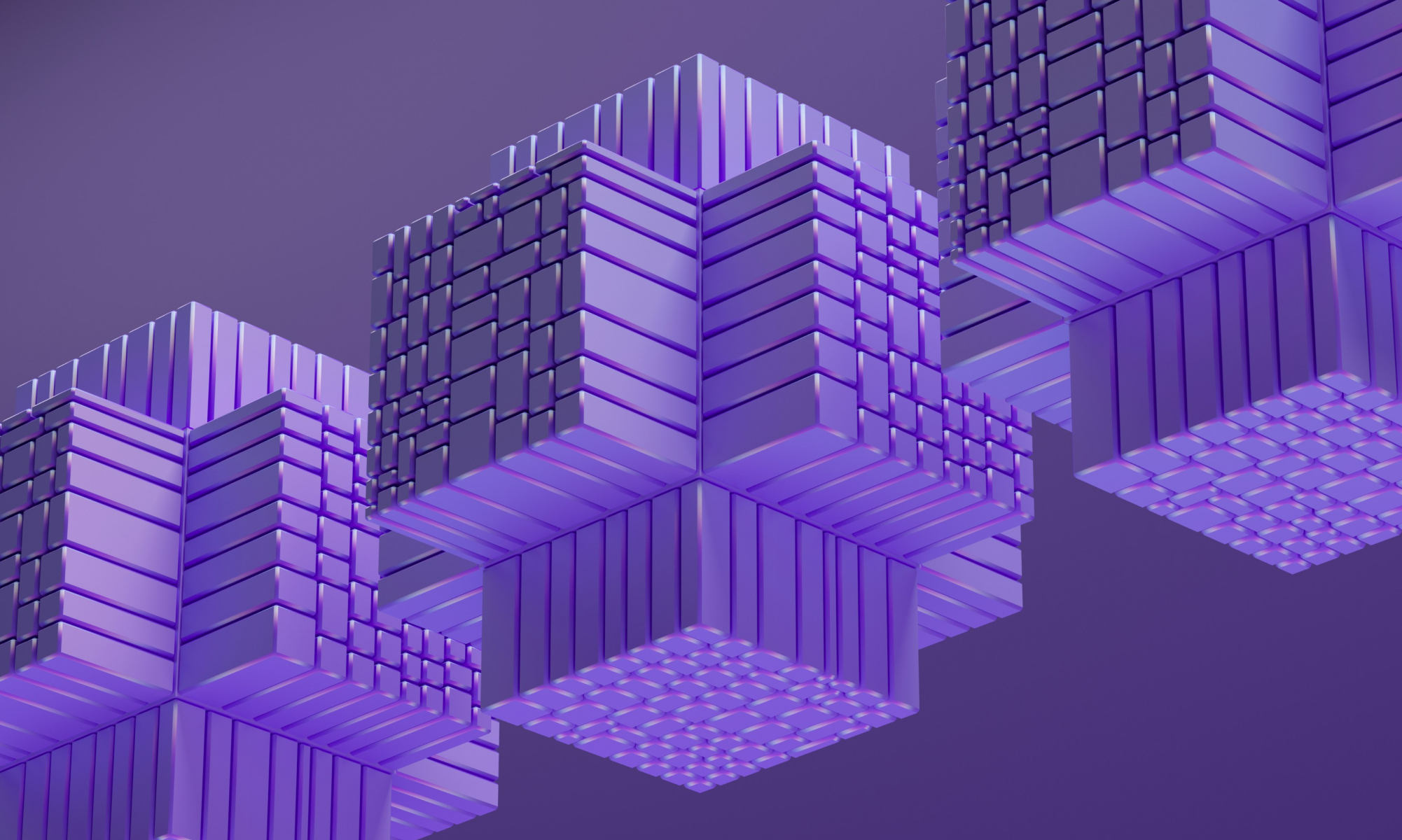
Abstract illustration showing multimodal AI interfaces connecting voice, chat and automated systems across a digital product workflow, representing unified interaction design

Multimodal AI interfaces are changing how people interact with software. Voice, chat, visual interfaces and automated workflows are starting to sit alongside each other, often within the same product. This shift is usually introduced as a set of separate features, each solving a specific problem.

On their own, they tend to work well. Voice is quick and accessible, chat helps you work through something step by step, dashboards give you a clear view of what’s going on and automation takes care of repetitive tasks in the background. Each of these makes sense in isolation, and when used individually the experience is usually straightforward enough. It’s when they’re combined that things start to feel less predictable.

Most people don’t think in terms of “modes” or different ways of interacting. They think about what they’re trying to get done. A task might start with a voice request, move into a dashboard to review or adjust something, then finish with an automated action running in the background. From their point of view, that’s a single flow, but in many systems it doesn’t behave like one.

What’s already been said, selected or entered doesn’t always carry through, so people end up repeating themselves, re-entering information or making the same decisions again. Even when each step works as expected, the experience can start to feel disjointed. The more ways there are to interact, the more that shows up, and it becomes less about what the system can do and more about how well it holds together.

What matters is whether the experience stays coherent from start to finish. If each step feels disconnected, the whole thing becomes slower and more effortful than it should be, even if nothing is technically wrong.

Designing effective multimodal systems means thinking less about individual interfaces and more about how people move through them. It’s how one step leads into the next, and whether what’s already been said, done and decided is carried forward rather than dropped at each transition.

That also shifts how the system is understood. Instead of treating each mode as a separate feature, the focus moves to how information flows between them. The behaviour needs to stay consistent, even if the interfaces themselves look and work differently.

At Studio Graphene, this is approached as a connected system rather than a collection of features. Each mode has a defined role, but they’re designed to work together, with context shared across interactions so the experience feels continuous rather than pieced together.

As more products adopt multimodal interaction, voice, chat and automation need to work together as a single coherent experience that feels smooth, consistent and easy to follow.

spread the word, spread the word, spread the word, spread the word,
Abstract visual representing AI-native product and service design with connected workflows, digital interfaces and operational systems working together
AI

AI-Native Products Are Blurring The Line Between Product And Service Design

Abstract representation of AI product design showing evolving digital interfaces and iterative system behaviour over time
AI

AI Products Don’t Stay Finished: Why Product Design Is Becoming More Iterative Than Ever

Ritam Gandhi announces Studio Graphene’s integration with Tribe and expansion into Ireland
Studio

Why We’re Welcoming Tribe into Studio Graphene

AI-driven digital interface showing reduced user interaction, with automated systems handling tasks in the background while users monitor outputs and decisions through a simplified dashboard.
AI

AI Is Making Interfaces Less Visible. But Design Is Becoming More Important, Not Less

Diagram showing shift from linear user journeys to continuous, context-aware AI interactions
AI

AI Interaction Design and Conversational UX: Moving Beyond Linear User Journeys

AI-Native Products Are Blurring The Line Between Product And Service Design

Abstract visual representing AI-native product and service design with connected workflows, digital interfaces and operational systems working together
AI

AI-Native Products Are Blurring The Line Between Product And Service Design

AI Products Don’t Stay Finished: Why Product Design Is Becoming More Iterative Than Ever

Abstract representation of AI product design showing evolving digital interfaces and iterative system behaviour over time
AI

AI Products Don’t Stay Finished: Why Product Design Is Becoming More Iterative Than Ever

Why We’re Welcoming Tribe into Studio Graphene

Ritam Gandhi announces Studio Graphene’s integration with Tribe and expansion into Ireland
Studio

Why We’re Welcoming Tribe into Studio Graphene

AI Is Making Interfaces Less Visible. But Design Is Becoming More Important, Not Less

AI-driven digital interface showing reduced user interaction, with automated systems handling tasks in the background while users monitor outputs and decisions through a simplified dashboard.
AI

AI Is Making Interfaces Less Visible. But Design Is Becoming More Important, Not Less

AI Interaction Design and Conversational UX: Moving Beyond Linear User Journeys

Diagram showing shift from linear user journeys to continuous, context-aware AI interactions
AI

AI Interaction Design and Conversational UX: Moving Beyond Linear User Journeys

AI-Native Products Are Blurring The Line Between Product And Service Design

Abstract visual representing AI-native product and service design with connected workflows, digital interfaces and operational systems working together

AI Products Don’t Stay Finished: Why Product Design Is Becoming More Iterative Than Ever

Abstract representation of AI product design showing evolving digital interfaces and iterative system behaviour over time

Why We’re Welcoming Tribe into Studio Graphene

Ritam Gandhi announces Studio Graphene’s integration with Tribe and expansion into Ireland

AI Is Making Interfaces Less Visible. But Design Is Becoming More Important, Not Less

AI-driven digital interface showing reduced user interaction, with automated systems handling tasks in the background while users monitor outputs and decisions through a simplified dashboard.

AI Interaction Design and Conversational UX: Moving Beyond Linear User Journeys

Diagram showing shift from linear user journeys to continuous, context-aware AI interactions