our blog

AI Project Planning: Why Slowing Down Leads To Faster, Smarter Delivery
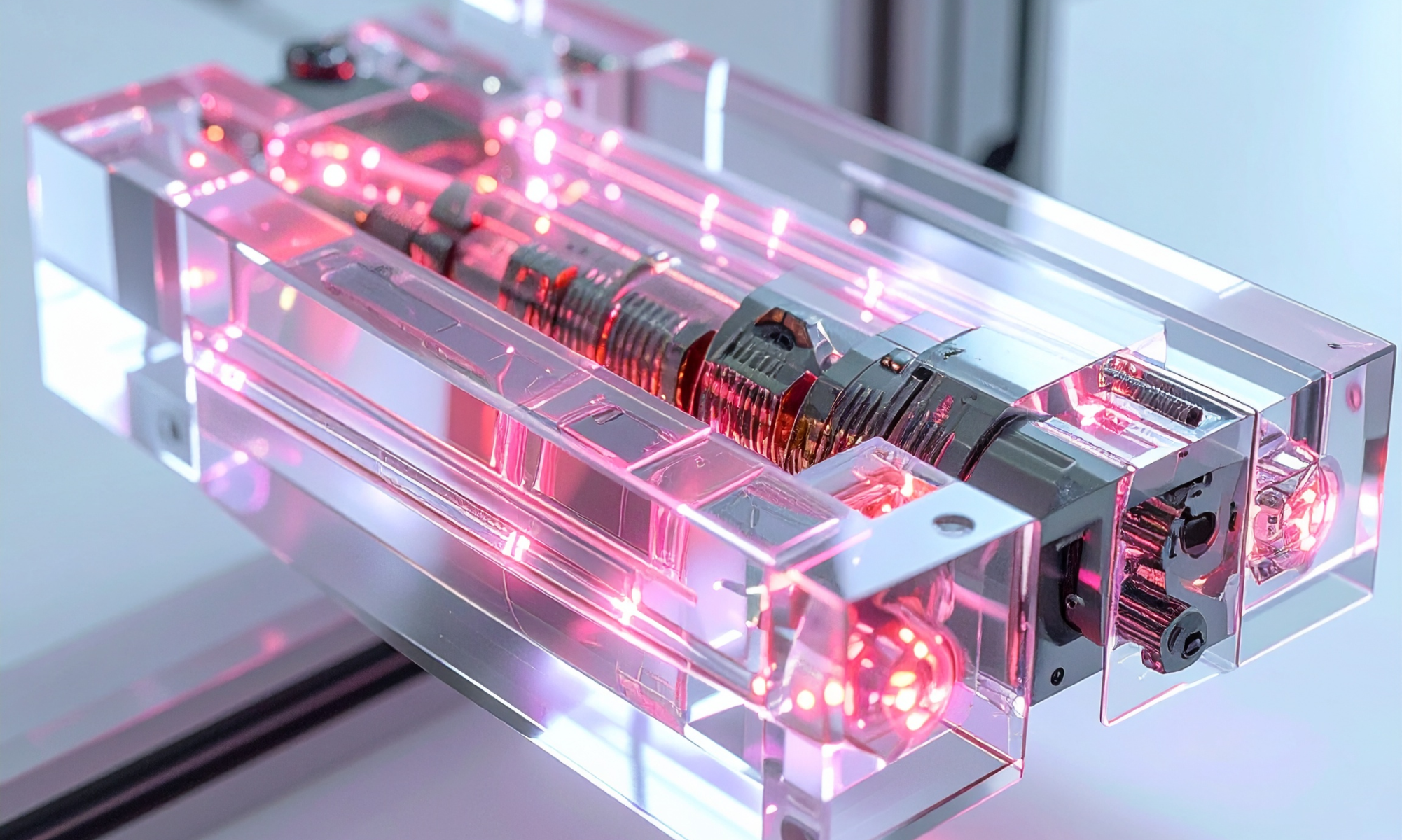
Diagram showing how upfront planning in AI projects leads to better, faster and smarter delivery with Studio Graphene’s Pulse platform.

AI makes it easy to move fast which is obviously exciting, but speed without direction usually just creates mistakes faster.

The temptation is even more obvious. AI tools make execution look instant. You can generate outputs, build models or automate processes in a fraction of the time it once took. But if you point AI at the wrong problem, feed it the wrong data or skip foundational planning, the result isn’t progress - it’s a total rework, wasted effort and tech debt. Building fast without strong foundations often slows you down in the long run.

Why it matters is simple. Once you start building, it’s hard to step back. Bad assumptions get baked into architecture. Wrong technical choices slow you down later. And rushing discovery almost guarantees slower delivery overall, because fixing foundational issues mid build is always more expensive than getting it right at the start.

Red flags you might be moving too fast include jumping straight into models without clarifying the business problem, skipping data validation because “we’ll fix it later,” or choosing tools and platforms before you’ve stress tested your architecture. All of these shortcuts can make the AI appear productive while hiding risks that will surface later.

The better approach is to slow down upfront. Take the time to clarify why you’re building something. Define the business context, success criteria and technical foundations. Stress test your data and architecture choices before you sprint. Invest in discovery so that when you execute, you can move fast with confidence.

At Studio Graphene, we front load discovery to uncover the real problem worth solving. We align on the most appropriate technical architecture early to avoid pivots later, and validate data and feasibility before writing code. That means when we build fast with AI, we’re building the right thing, not just something quick. Planning first doesn’t slow progress, it accelerates it.

Pulse, Studio Graphene’s delivery intelligence platform, puts this approach into practice. Its AI chatbot combines conversational AI with project analytics to give teams real-time visibility into quality, velocity and delivery performance. By surfacing insights, flagging risks early and tracking progress, Pulse helps teams make informed adjustments before small issues become costly problems. Paired with upfront planning, delivery becomes better, faster and smarter.


spread the word, spread the word, spread the word, spread the word,
Product managers, designers and engineers collaborating with AI tools to design, test and build digital products more efficiently.
AI

How AI Is Changing The Way Product Teams Build

Team exploring AI opportunities by rethinking digital products, services and workflows around emerging technology
AI

The Biggest AI Opportunity Might Not Be Where You Think

Product team defining an AI product by focusing on user needs, workflows and problem solving rather than model selection.
AI

Why the Best AI Products Don’t Start With AI

AI product development workflow showing a demo transitioning into production systems with monitoring, data and feedback loops.
AI

Why “Production-Ready” AI Means More Than “It Works”

Abstract illustration showing AI product development workflows, with evolving digital product stages, iterative build cycles and real-time user feedback loops replacing traditional prototype-based development approaches
AI

Why The First AI Product Doesn’t Have To Be A Prototype

How AI Is Changing The Way Product Teams Build

Product managers, designers and engineers collaborating with AI tools to design, test and build digital products more efficiently.
AI

How AI Is Changing The Way Product Teams Build

The Biggest AI Opportunity Might Not Be Where You Think

Team exploring AI opportunities by rethinking digital products, services and workflows around emerging technology
AI

The Biggest AI Opportunity Might Not Be Where You Think

Why the Best AI Products Don’t Start With AI

Product team defining an AI product by focusing on user needs, workflows and problem solving rather than model selection.
AI

Why the Best AI Products Don’t Start With AI

Why “Production-Ready” AI Means More Than “It Works”

AI product development workflow showing a demo transitioning into production systems with monitoring, data and feedback loops.
AI

Why “Production-Ready” AI Means More Than “It Works”

Why The First AI Product Doesn’t Have To Be A Prototype

Abstract illustration showing AI product development workflows, with evolving digital product stages, iterative build cycles and real-time user feedback loops replacing traditional prototype-based development approaches
AI

Why The First AI Product Doesn’t Have To Be A Prototype

How AI Is Changing The Way Product Teams Build

Product managers, designers and engineers collaborating with AI tools to design, test and build digital products more efficiently.

The Biggest AI Opportunity Might Not Be Where You Think

Team exploring AI opportunities by rethinking digital products, services and workflows around emerging technology

Why the Best AI Products Don’t Start With AI

Product team defining an AI product by focusing on user needs, workflows and problem solving rather than model selection.

Why “Production-Ready” AI Means More Than “It Works”

AI product development workflow showing a demo transitioning into production systems with monitoring, data and feedback loops.

Why The First AI Product Doesn’t Have To Be A Prototype

Abstract illustration showing AI product development workflows, with evolving digital product stages, iterative build cycles and real-time user feedback loops replacing traditional prototype-based development approaches