our blog

AI Has Made Product Iteration Faster. The Mindset Hasn’t Changed
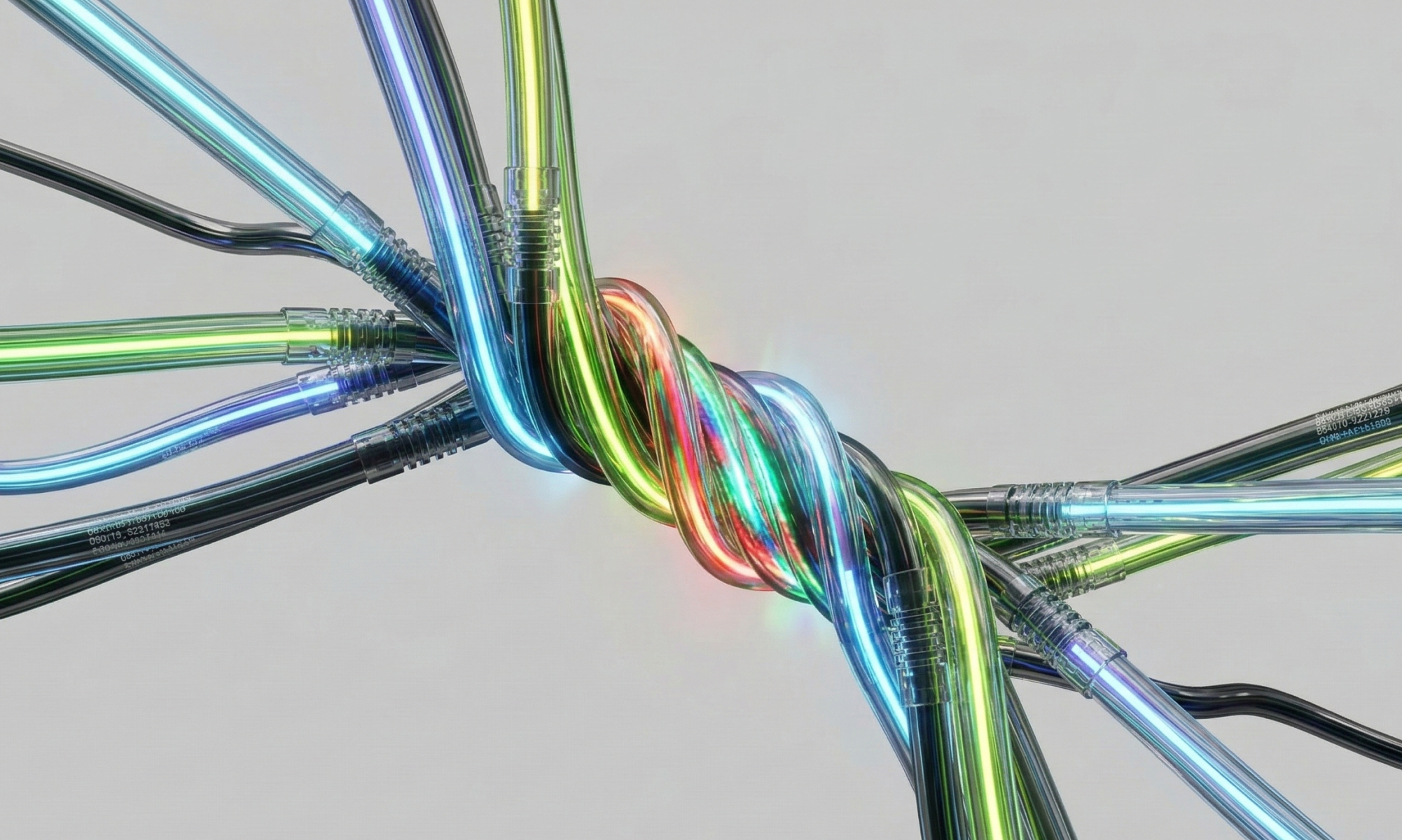
Abstract illustration representing AI-driven product development, showing iterative cycles of building, testing and refining digital products.

Good digital products rarely emerge fully formed from an upfront planning process. They improve through release, feedback and iteration, with ideas reaching users early enough for assumptions to be tested against real behaviour rather than internal theory. Product direction evolves through real usage and exposure to how people actually behave.

We all know AI is making it easier for product teams to turn ideas into something users can test early on. Concepts can be explored more quickly, prototypes built faster and functionality tested sooner than in traditional delivery cycles. But the underlying principle is not new. Good digital products have always improved through release, feedback and refinement. What AI changes is the speed of that learning.

In large organisations, longer planning cycles have often been used quite rightly to manage risk. With multiple approval layers, legacy systems and complex operations, changing direction mid delivery has historically been slow and expensive. As a result, organisations often spend significant time trying to reduce uncertainty before anything reaches users at all.

AI has created a massive opportunity to rethink how that works. Assumptions can now be tested in days rather than months spent in planning and debate, which shifts where the value sits. Strategy and direction still matter, but there is far more opportunity to learn through building and testing rather than investing heavily in upfront planning.

Risk is also shifting. Because assumptions can now be tested far earlier, the risk is no longer just about moving too quickly. In many cases, it becomes the opportunity cost of spending too long on ideas that could already have been validated through real-world usage.

The most useful product insight comes when a product is live and in users’ hands. Users rarely behave exactly as expected and real-world usage quickly exposes what works, what does not and where the real opportunities actually sit.

At Studio Graphene, this has always shaped how we approach digital product development. AI accelerates experimentation and shortens the path between idea, feedback and refinement, but the core principle remains the same. The organisations that learn fastest and validate early through continuous iteration are the ones that move ahead.


spread the word, spread the word, spread the word, spread the word,
Abstract illustration representing AI-driven product development, showing iterative cycles of building, testing and refining digital products.
AI

AI Has Made Product Iteration Faster. The Mindset Hasn’t Changed

Abstract visual showing interconnected digital teams, workflows and systems representing shared ownership and accountability in AI-native product environments
AI

AI-Native Products Are Changing Ownership Models In Digital Teams

Abstract visual representing AI-native product and service design with connected workflows, digital interfaces and operational systems working together
AI

AI-Native Products Are Blurring The Line Between Product And Service Design

Abstract representation of AI product design showing evolving digital interfaces and iterative system behaviour over time
AI

AI Products Don’t Stay Finished: Why Product Design Is Becoming More Iterative Than Ever

Ritam Gandhi announces Studio Graphene’s integration with Tribe and expansion into Ireland
Studio

Why We’re Welcoming Tribe into Studio Graphene

AI Has Made Product Iteration Faster. The Mindset Hasn’t Changed

Abstract illustration representing AI-driven product development, showing iterative cycles of building, testing and refining digital products.
AI

AI Has Made Product Iteration Faster. The Mindset Hasn’t Changed

AI-Native Products Are Changing Ownership Models In Digital Teams

Abstract visual showing interconnected digital teams, workflows and systems representing shared ownership and accountability in AI-native product environments
AI

AI-Native Products Are Changing Ownership Models In Digital Teams

AI-Native Products Are Blurring The Line Between Product And Service Design

Abstract visual representing AI-native product and service design with connected workflows, digital interfaces and operational systems working together
AI

AI-Native Products Are Blurring The Line Between Product And Service Design

AI Products Don’t Stay Finished: Why Product Design Is Becoming More Iterative Than Ever

Abstract representation of AI product design showing evolving digital interfaces and iterative system behaviour over time
AI

AI Products Don’t Stay Finished: Why Product Design Is Becoming More Iterative Than Ever

Why We’re Welcoming Tribe into Studio Graphene

Ritam Gandhi announces Studio Graphene’s integration with Tribe and expansion into Ireland
Studio

Why We’re Welcoming Tribe into Studio Graphene

AI Has Made Product Iteration Faster. The Mindset Hasn’t Changed

Abstract illustration representing AI-driven product development, showing iterative cycles of building, testing and refining digital products.

AI-Native Products Are Changing Ownership Models In Digital Teams

Abstract visual showing interconnected digital teams, workflows and systems representing shared ownership and accountability in AI-native product environments

AI-Native Products Are Blurring The Line Between Product And Service Design

Abstract visual representing AI-native product and service design with connected workflows, digital interfaces and operational systems working together

AI Products Don’t Stay Finished: Why Product Design Is Becoming More Iterative Than Ever

Abstract representation of AI product design showing evolving digital interfaces and iterative system behaviour over time

Why We’re Welcoming Tribe into Studio Graphene

Ritam Gandhi announces Studio Graphene’s integration with Tribe and expansion into Ireland